Books · July 2026 · 6 min read
Cottages in Children's Books
From Brambly Hedge to Kirrin Cottage, the small sheltered dwelling has appeared again and again in children's literature. A look at the cottages that made us want one.
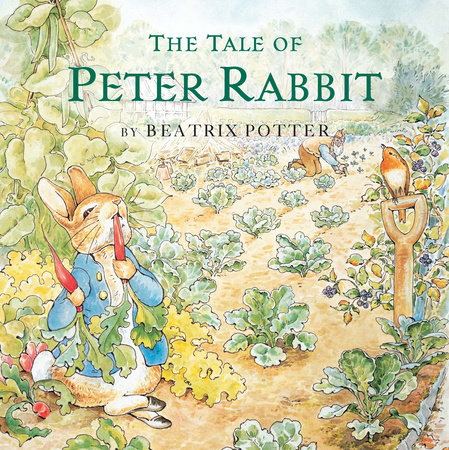
The Tale of Peter Rabbit, Beatrix Potter, 1902. © Frederick Warne & Co.
Think back far enough and there is often a book: something read in childhood, in a particular chair or under a particular lamp, in which a small house tucked into a landscape felt more real than the room you were sitting in. Children's books featuring cottages or cottage-like dwellings tend to have a quality all their own. They are often rooted in the natural world, whether that means a hedgerow, a riverbank, or a deep wood. Sometimes they feature animals behaving as people do: keeping house, tending gardens, laying in stores against the winter. The countryside and the cottage arrive together in those pages, inseparable. It is a tradition with deep British roots, though not exclusively so. We present six of our favourite instances.
Brambly Hedge
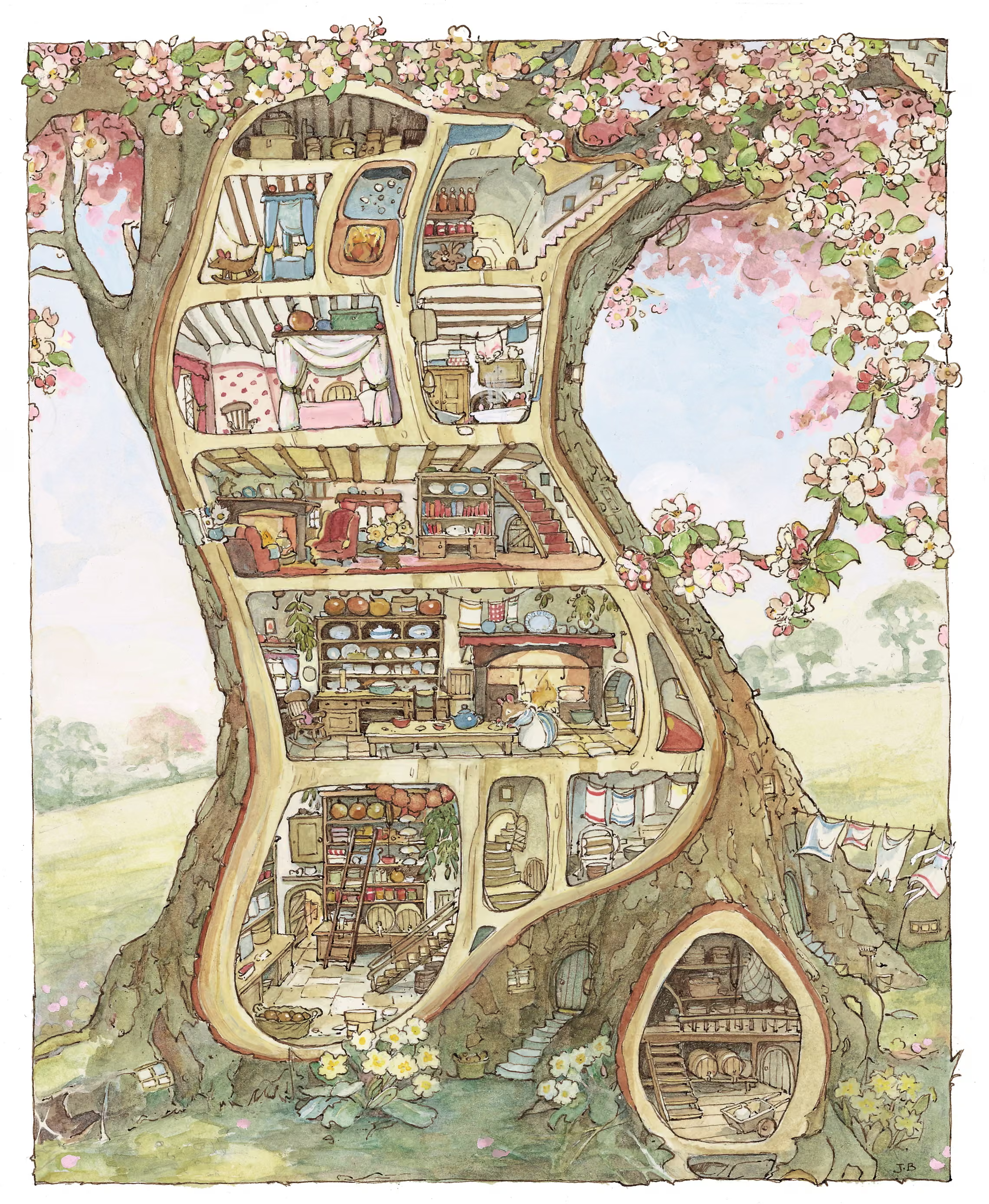
Few children's books have made smallness feel quite so appealing as Jill Barklem's Brambly Hedge. Beginning in 1980, the series set a community of mice within a hedgerow of elm and oak, their homes hollowed into old tree stumps and the bends of ancient roots. The world Barklem created is deeply cosy: woodland and wholesome, full of seasons and ceremonies, foraging and baking and gathering around the fire. But it is the illustrated interiors that stay with you, and reward every return. Each time you look, there is something new to find: a pantry shelf arranged with preserved cherries and elderflower cordial, a low beam hung with drying herbs, the firelight catching worn wooden floors. The Store Stump alone, with its rows of labelled jars and hanging dried fruit, made smallness feel just right.
The Tale of Peter Rabbit
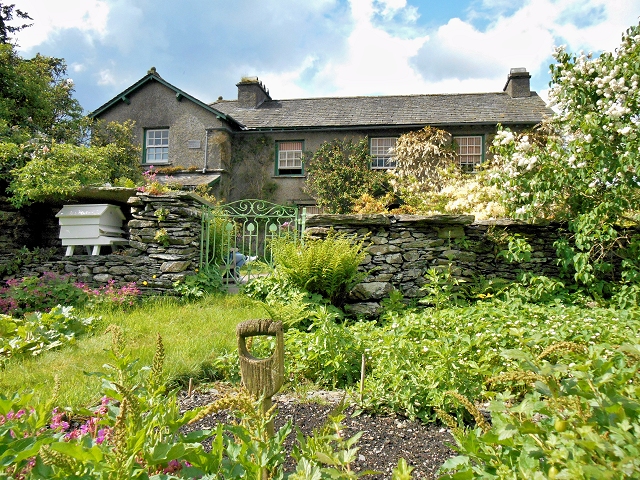
Beatrix Potter bought Hill Top, a seventeenth-century farmhouse at Near Sawrey in the Lake District, in 1905, with the royalties from The Tale of Peter Rabbit, and it shows. The kitchen, the staircase, the garden wall: all appear in the illustrations for the books that followed, drawn with the same close attention she gave to every hedgerow and waistcoat button. It is in the garden, though, that her stories really live. Peter Rabbit squeezes under the gate into Mr McGregor's vegetable beds and promptly loses his jacket and shoes among the cabbages. Jemima Puddle-Duck waddles determinedly across the fields from the very same farmyard, in her poke bonnet and shawl, in search of somewhere to lay her eggs unmolested. Potter understood the cottage garden as a place with two faces: orderly and beautiful on one side, full of mischief and mild peril on the other. The house and its garden are one thing in her books, and the animals who move between them make both feel entirely real.
The Wind in the Willows
Mole is a small, unassuming creature who has spent his whole life in a tidy underground home he calls Mole End. When he abandons it one spring morning to follow Rat down to the river, life gets considerably larger and more complicated. But it is the moment of return, deep in winter, that stays with readers. Coming back along a familiar lane, Mole catches the smell of his own house through the frozen ground and is stopped in his tracks. When he eventually gets inside, he lights the fire, makes soup and sits. The scene is so tender. It is, briefly, enough.
The Famous Five
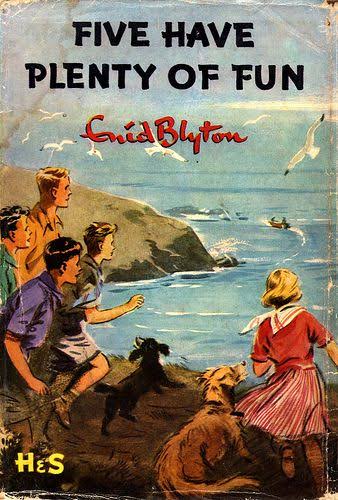
Enid Blyton's Famous Five found their base at Kirrin Cottage, the stone farmhouse on the Dorset coast where George's parents lived beside their bay. It is a functional cottage in Blyton's telling: somewhere to eat enormous teas, to dry off after adventures on Kirrin Island and to retreat to when the weather turned. For the Famous Five, the arrival at Kirrin each summer, with the school year behind them and the smell of the sea coming through a stone window, was the promise of freedom, adventure and a long summer holiday. Blyton understood that a cottage on the edge of something wild, whether a bay, a moor or a wood, changes its character: it becomes a launching point as much as a shelter.
The Gingerbread House
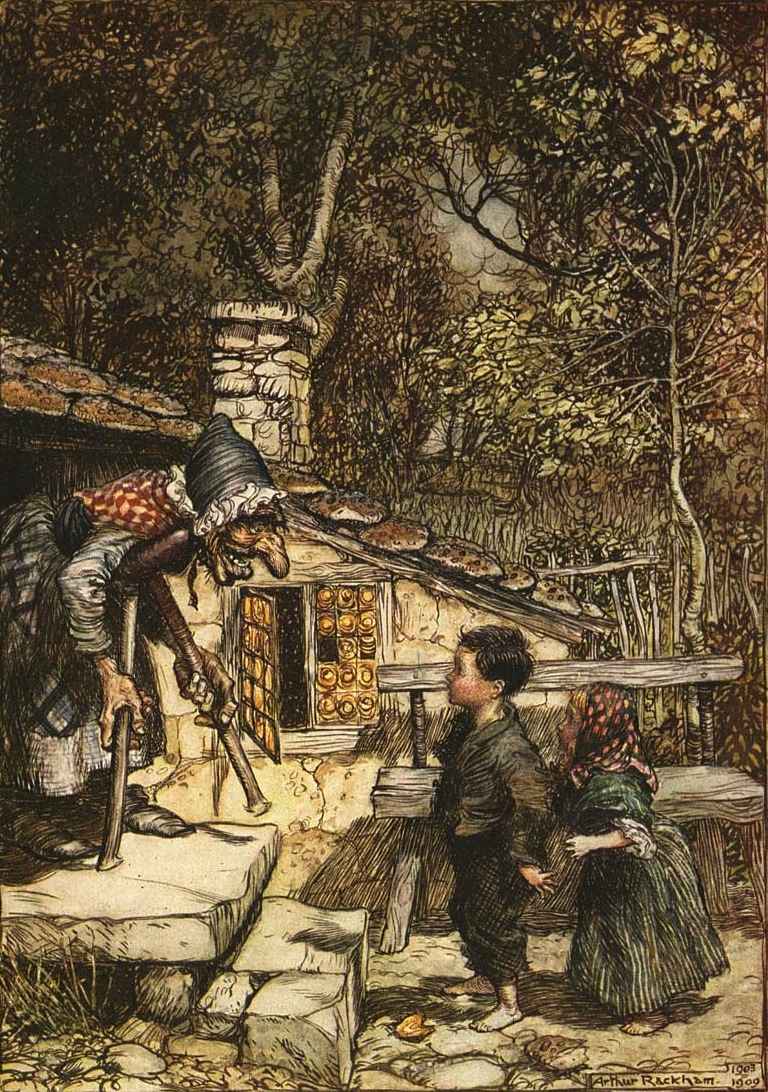
The Brothers Grimm gave us the most dangerous cottage in children's literature. Built of gingerbread, its roof tiled with cake and its windows of spun sugar, the witch's house in the forest is one of the earliest lessons in the gap between appearance and intention. For many children it is also among the first genuinely frightening things they encounter in a book: the old woman at the door, the cage, the oven. The cottage that looks most inviting turns out to be the most treacherous, and read young, that landing stays with you. It is a story that has endured for two centuries not despite its darkness but because of it, because even very small children understand, somewhere, that beautiful things can hide something else entirely.
The Little Blue Cottage
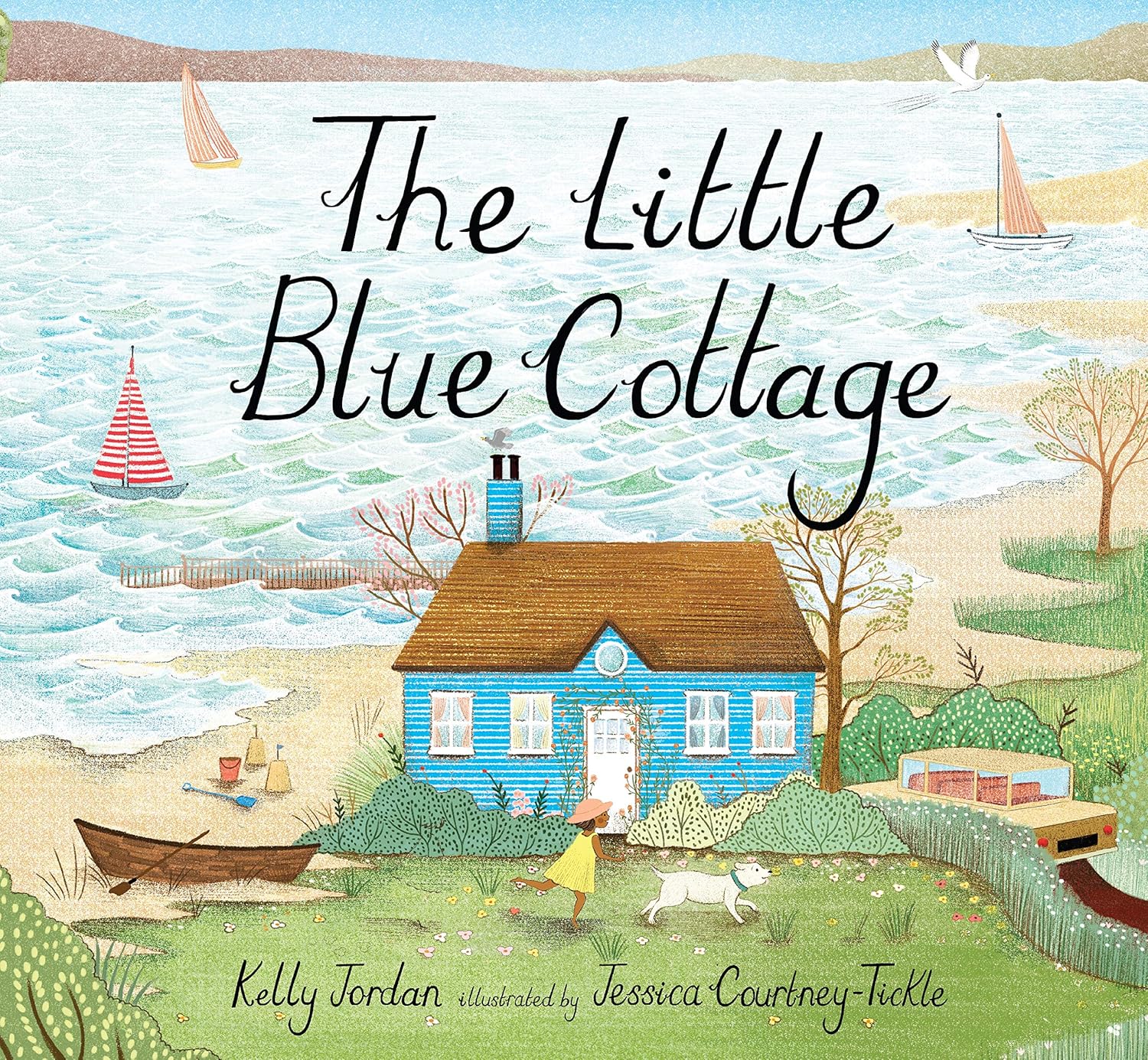
Kelly Jordan's The Little Blue Cottage, illustrated by Jessica Courtney-Tickle, is built around an idea that will be familiar to anyone who has loved a particular house: that a place can hold a family's summers, and miss them when they stop coming. The story follows a girl through the seasons of her life, all of it anchored to the same seaside cottage, which is treated not as a backdrop but as a character in its own right, one that experiences the family's absences as keenly as their arrivals. When the visits stop, the cottage falls quiet and into neglect. When they resume, it comes back to life. It is a gentle book about what places mean to people, and what people mean to places.
More from the journal
Reflections · 8 min read
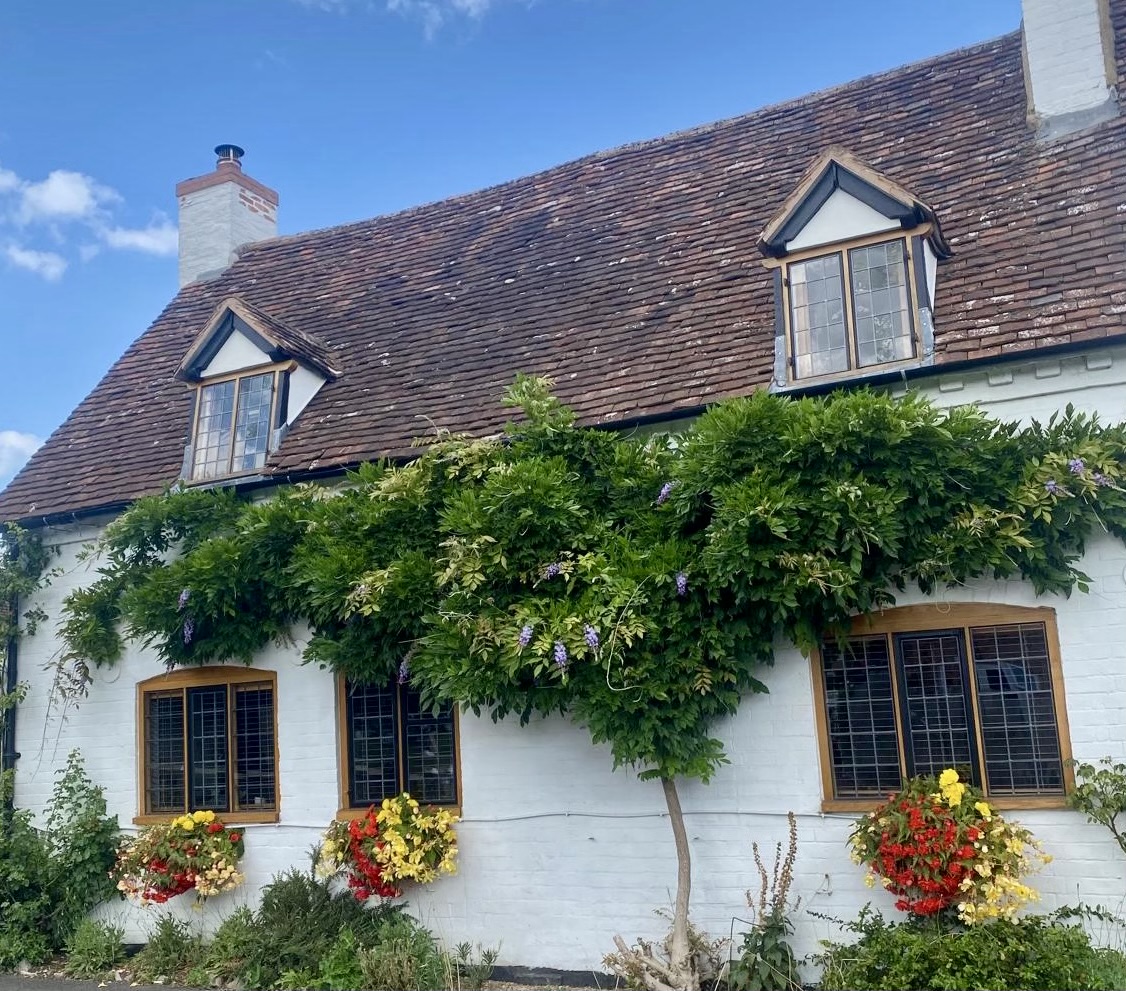
What Makes a House a Cottage
A word everyone knows but is tricky to define: we trace the cottage from its medieval roots to its modern muddle.
Books · 6 min read
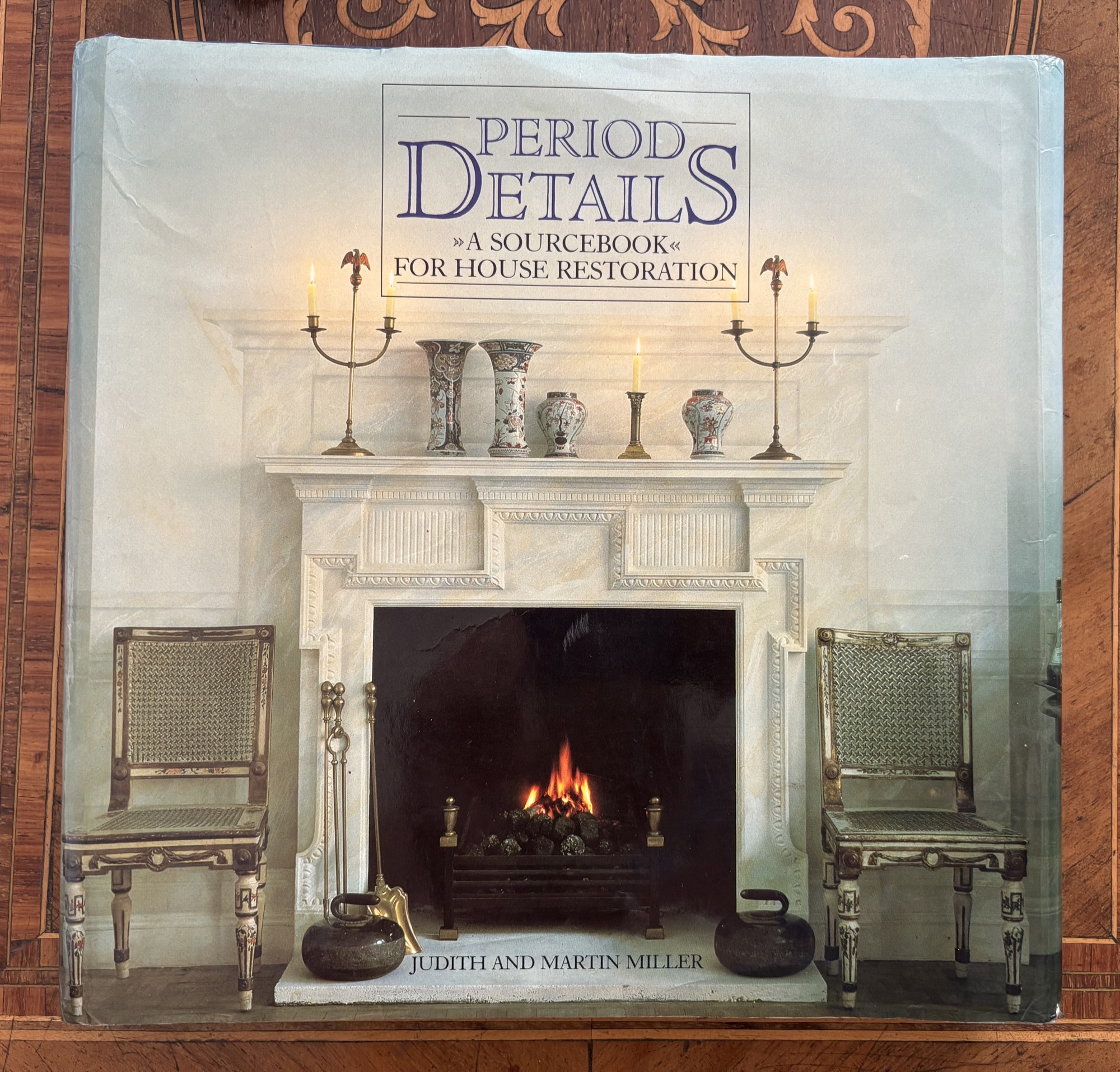
Period Details by Judith and Martin Miller: A Review
A twenty-year-old copy of the Millers' Period Details recently came into our possession, and it has aged remarkably well.
Places · 5 min read
Three Towns We Keep Returning To
From the Northumberland hills to the Isle of Wight coast, three corners of England where the period house is at its most beguiling.