Books · 17 June 2026 · 6 min read
Period Details by Judith and Martin Miller: A Review
A twenty-year-old copy of the Millers' Period Details recently came into our possession, and it has aged remarkably well.
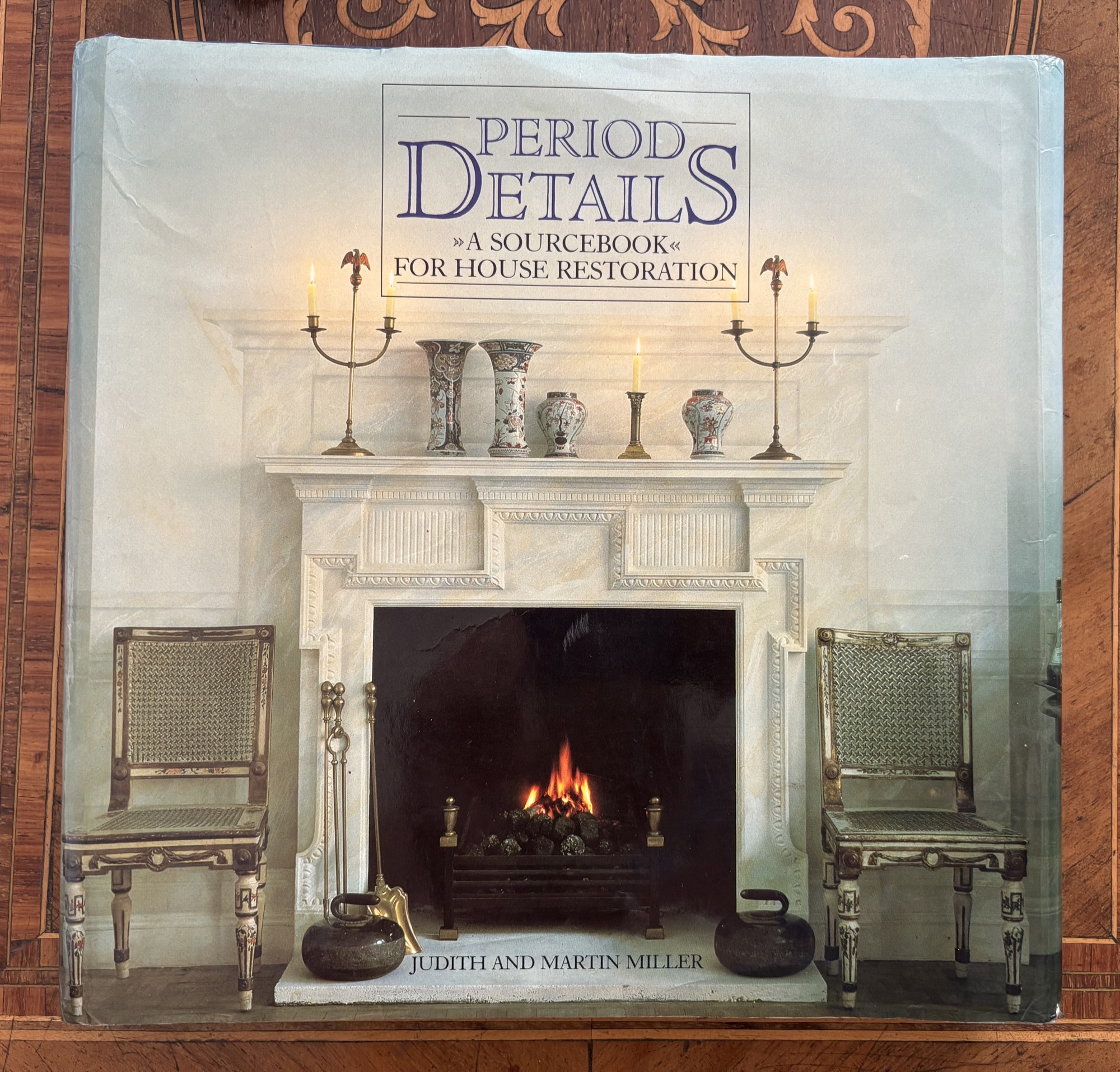
Period Details by Judith and Martin Miller
A twenty-year-old copy of Judith and Martin Miller's Period Details recently came into my possession, unearthed from a shelf in my parents' house. I had expected the gentle disappointment one can have on returning to a design book of a certain age: the dated photography, the colours that have curdled, the confident advice that time has quietly overruled. Instead, I found a book that has aged really quite well. Two decades on, it reads less like an outdated manual and more like a reference book of how our old houses were built and decorated, period by period, room by room.
What makes the book endure is the way The Millers treat the period interior as a system of parts (the cornice, the architrave, the skirting) and give each its own double-page spread in turn, charting how its proportions and ornament shifted from the Tudor era through to the early twentieth century. A spread on doors lays out the panelling of each period side by side; windows, flooring and fire surrounds are each given the same patient, isolated treatment, so that the eye can compare a Georgian sash with a Victorian one without distraction. It is generally useful in just this way: the kind you keep within reach of during a renovation rather than leave on the coffee table.
The wallpapers, in particular, are a quiet joy. What surprised me most was how contemporary the earliest examples feel: a couple of the eighteenth-century papers (a sparse trailing sprig, a small geometric repeat in faded ochre) look so modern that you could hang them in a town flat tomorrow and no one would guess their age. It is a reminder that a good pattern does not date.
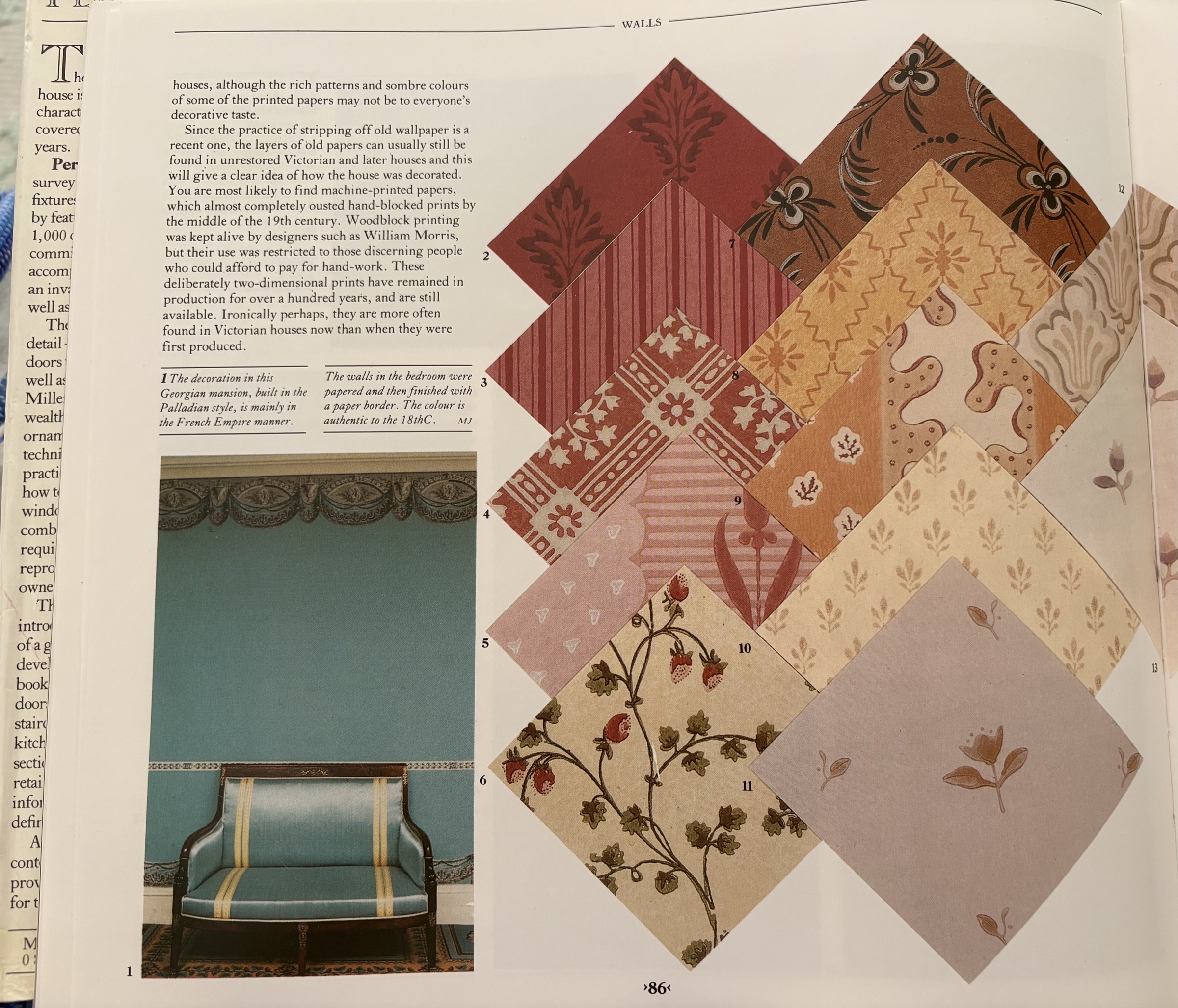
The section on doors is where the book's eye for detail rewards close reading. Rather than offer a single generic 'period door', the Millers walk through the panelling arrangements decade by decade: the heavy plank-and-batten doors of the earliest cottages, the elegant six-panel doors of the Georgian house with their precise mouldings and raised fields, the heavier four-panel doors of the Victorians, and the way ironmongery, beading and the very thickness of the stiles all shifted with fashion. Anyone who has stood in a builder's merchant trying to judge whether a replacement door is right for a house will find genuine help in these few pages.
A word, too, on the photography, a feature of the book in its own right. Shot largely in natural light, they catch the grain of old timber, the chalky depth of distemper and the soft sheen of waxed floors with a fidelity that flattens under harsher modern styling. They remain the most persuasive part of the book: a single well-lit image of a Georgian staircase or a tiled Victorian hall does more to train the eye than a caption could.
The risk of sounding a little twee, it also feels warming that Period Details is the work of a couple, Judith and Martin Miller. One pictures the two of them moving through these old rooms together, debating the merits of a cornice or the precise ochre of a faded paper, and the whole thing takes on a companionable quality: the shared notebook of two people who plainly loved the subject, and who one suspects loved arguing gently about it.
If the book has a fault, it is one of ambition: in covering so much ground it can only sketch the regional variation that gives our cottages so much of their character. But that is a quibble. As a foundation (a way of training the eye to read a room and understand why its parts look as they do), Period Details remains, twenty years on, a book we would happily press a copy on any new custodian of an old house.
More from the journal
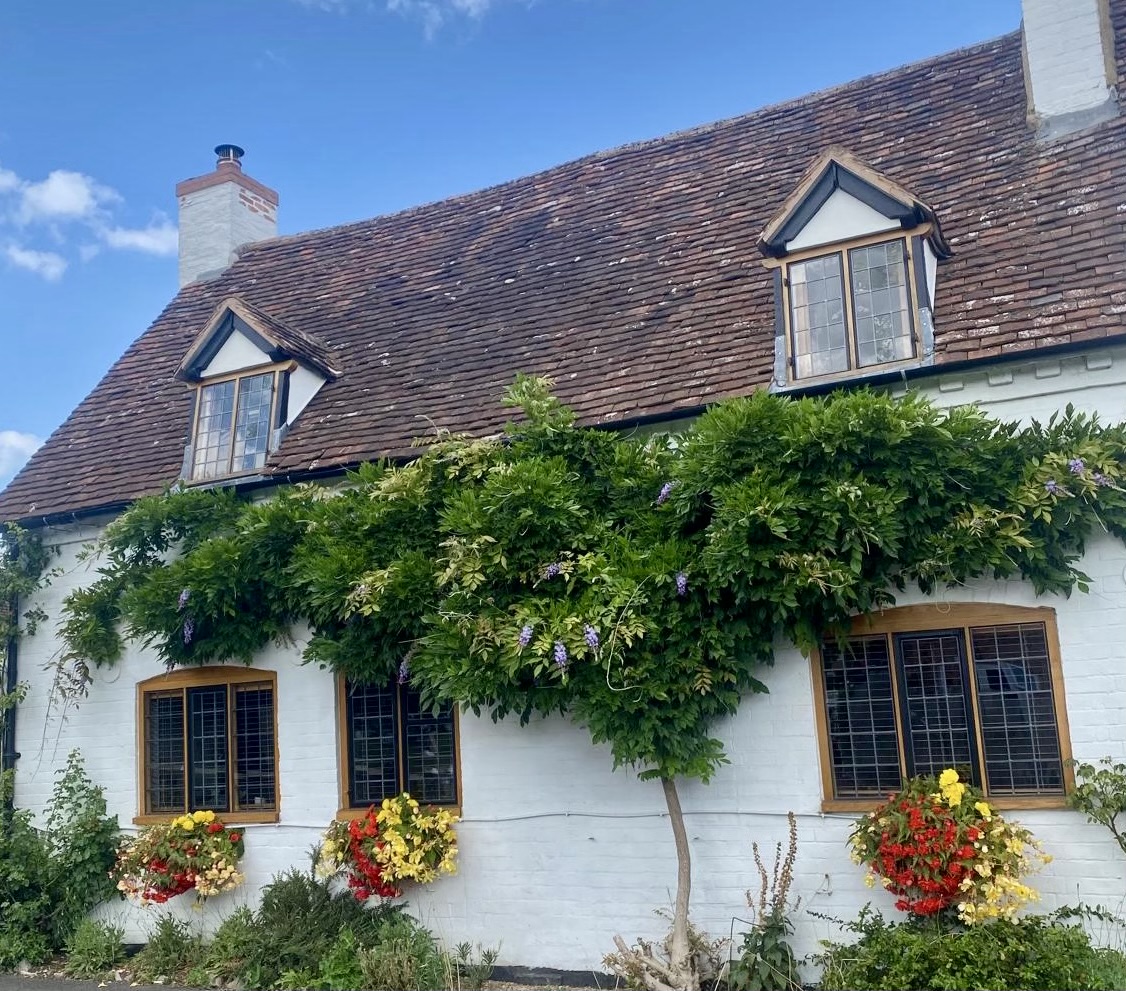
Reflections · 8 min read
What Makes a House a Cottage
A word everyone knows but is tricky to define: we trace the cottage from its medieval roots to its modern muddle.
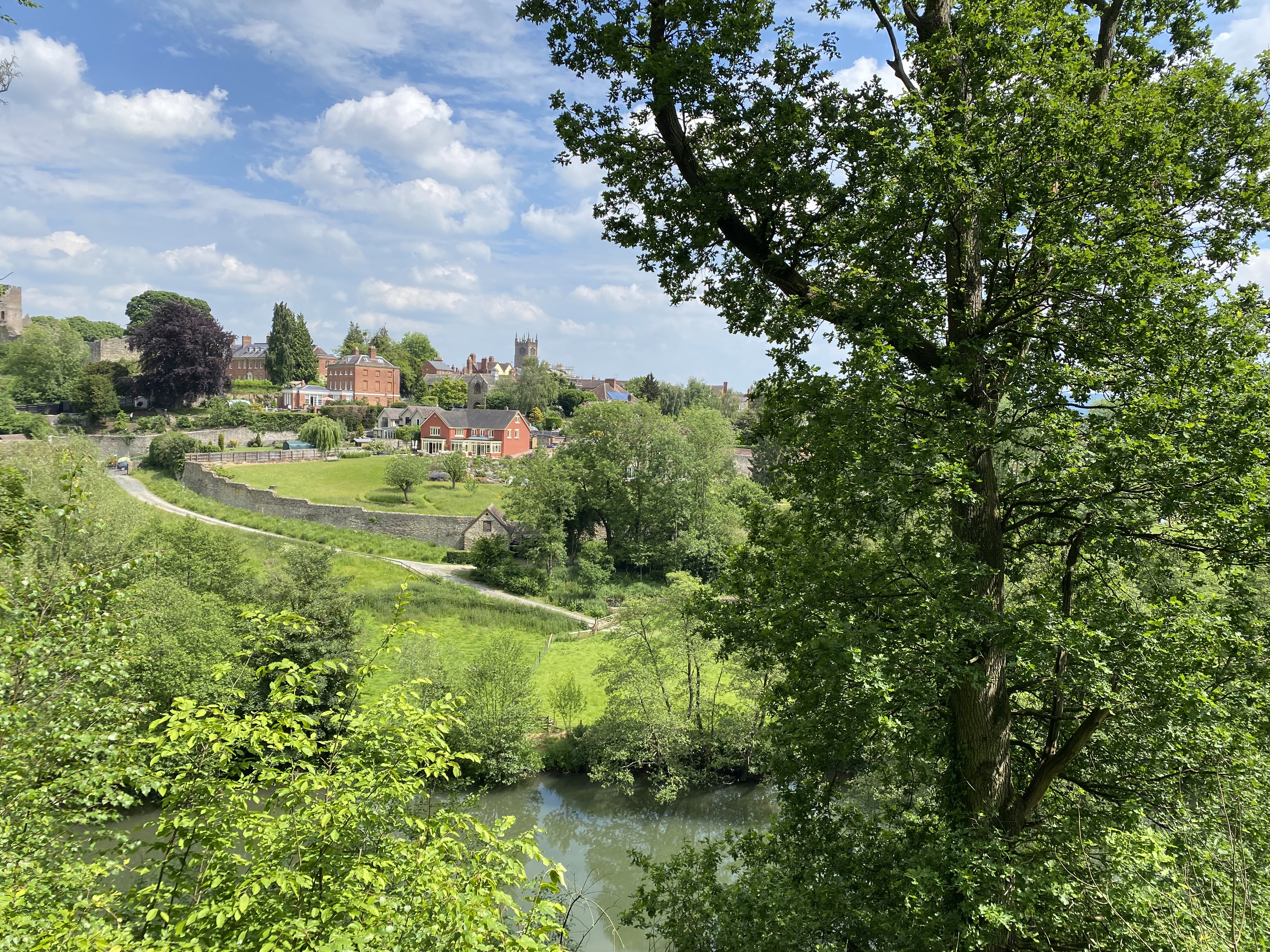
Places · 5 min read
Three Towns We Keep Returning To
From the Northumberland hills to the Isle of Wight coast, three corners of England where the period house is at its most beguiling.
Reflections · 5 min read
The Compromises
Five disadvantages to living in a cottage.