Reflections · 22 June 2026 · 5 min read
The Compromises
Five disadvantages to living in a cottage.
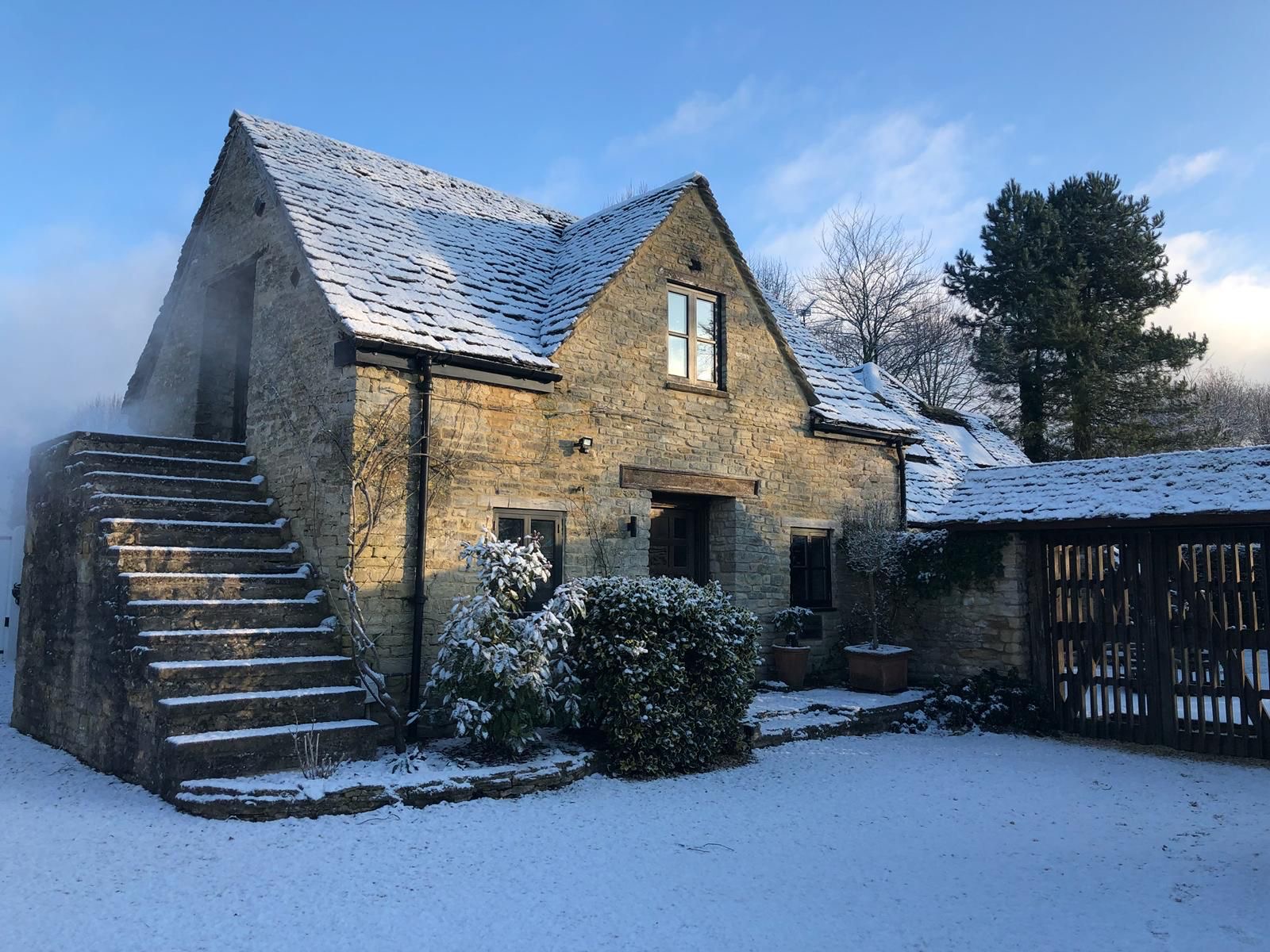
A Cotswold stone cottage dusted in snow, worth every draught
A note of honesty
Here at Period Cottages we can be a little idealistic. We talk about charm, history, sense of place, and we mean every word. Living in a cottage is, to our minds, one of the most rewarding houses to live in. But in the interest of balance, and before anyone accuses us of unrelenting optimism, it seems only fair to mention some of the compromises. Because there are a few.
The ceilings
The ceilings are low. This is part of the charm, until you are six foot two and trying to get dressed in a bedroom under the eaves. Sloping roofs, dormers and the angles of an old roofline can turn an upstairs room into something that looks generous on the floorplan and feels a good deal smaller once you have put a bed in it. You learn to love the nook-like quality of these rooms, but it is worth being honest: a cottage bedroom is rarely the place for an emperor-size bed and matching nightstands.
The floors
The floors are often uneven, but you may be walking on original hardwood, flagstone or slate that would cost a fortune to lay today. The old-growth timber is something that simply cannot be replicated now, for good environmental reasons, which to the right owner makes the unevenness a rather joyful compromise. Doors may need to be trimmed to clear the slope, furniture may need a folded card under one leg, and you will develop an instinct for which floorboards creak and which do not. There is, admittedly, something rather lovely about a floor that has settled over centuries into its own geography, but it is worth knowing before you move the piano in, if it fits!
Listed status
Listed status can make changes difficult. If your cottage is Grade I or Grade II listed, and many of the best ones are, you will need listed building consent for most alterations, internal as well as external. This means that replacing a window, moving a doorway or even changing a paint colour on the outside can involve applications, heritage officers and a good deal of patience. The system exists for excellent reasons, and it has saved countless beautiful buildings from being gutted or spoiled. But it does mean that the kitchen extension you had in mind may take rather longer than you hoped, or may not happen at all.
Maintenance
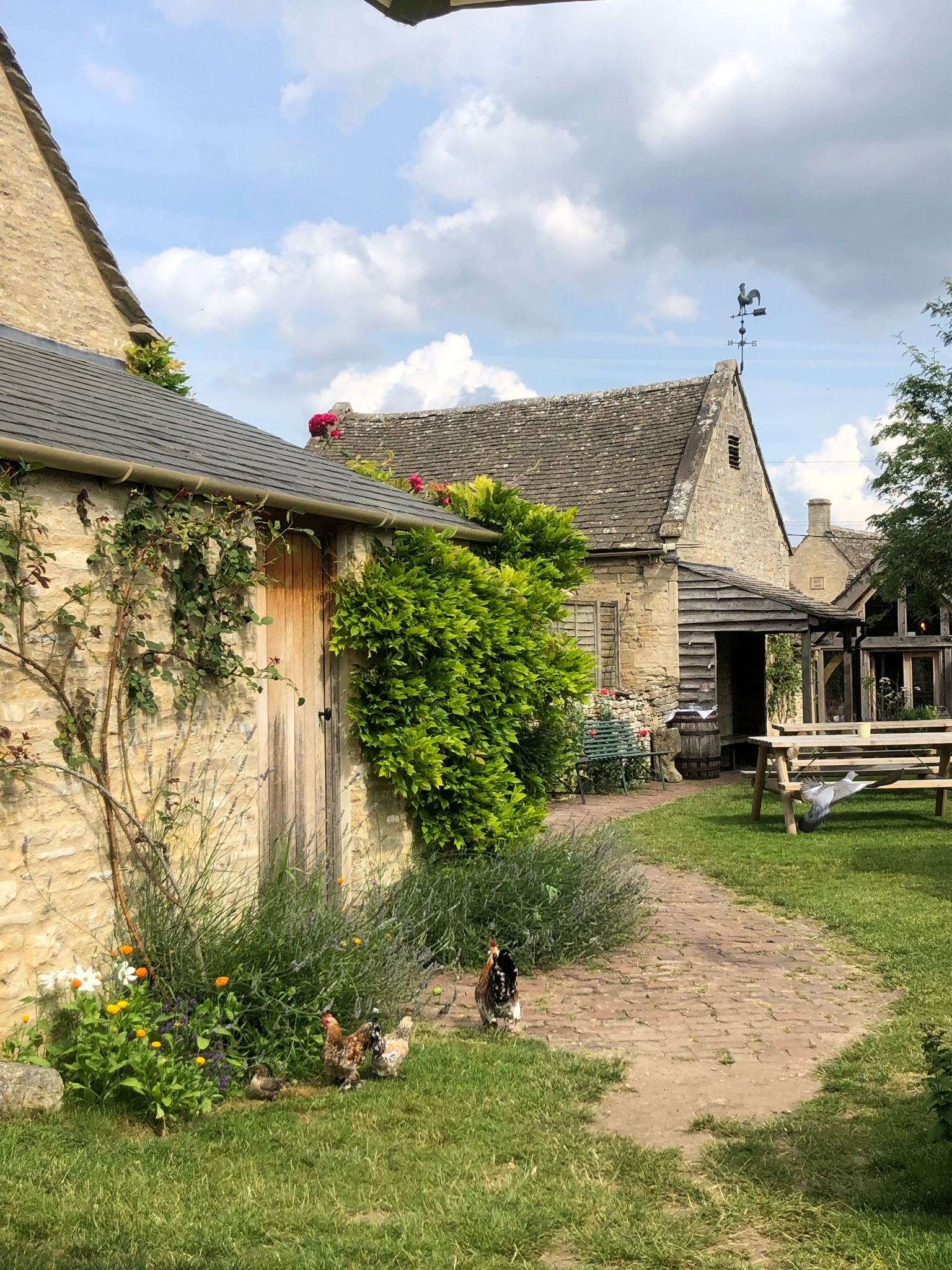
Old houses need maintenance, and they need it regularly. Lime mortar wants repointing. Timber frames need checking for rot and beetle. Lead flashing wears. Gutters block. Thatch, if you are lucky enough to have it, needs dressing every few years and a full re-thatch every couple of decades, and it is not cheap. None of this is unmanageable, but it does ask something of you: a willingness to look after the fabric of the building as part of the deal, rather than expecting it to look after itself.
Heating
Heating is the one that catches people out. Thick stone walls are wonderful in summer: cool and steady, the house a refuge from the heat. In January they are rather less forgiving. Old cottages were designed for open fires, not central heating, and retrofitting insulation to a listed building with solid walls, single-glazed windows and a flagstone floor is not straightforward. You may find yourself wearing an extra jumper in the hallway, running the wood burner from October to April, and developing a close personal relationship with your energy bills. Underfloor heating, where it can be fitted, helps enormously, but the honest truth is that an old cottage will never be as cheap to heat as a modern, well-insulated house.
And yet
And yet. There is a reason people choose them anyway. The warmth of a stone wall on a summer evening. The sound of rain on a slate roof. The way the light falls differently in every room because no two windows are quite the same size. The knowledge that the house has stood for two or three hundred years and will, with care, stand for two or three hundred more. A cottage asks more of you than a new build: more attention, more patience, more willingness to live with the odd draught and the occasional creaking floorboard. But it gives back something that is hard to find elsewhere: the feeling that your home has a past, a character and a story that was there long before you arrived, and will carry on long after you leave.
More from the journal
Reflections · 8 min read
What Makes a House a Cottage
A word everyone knows but is tricky to define: we trace the cottage from its medieval roots to its modern muddle.
Books · 6 min read
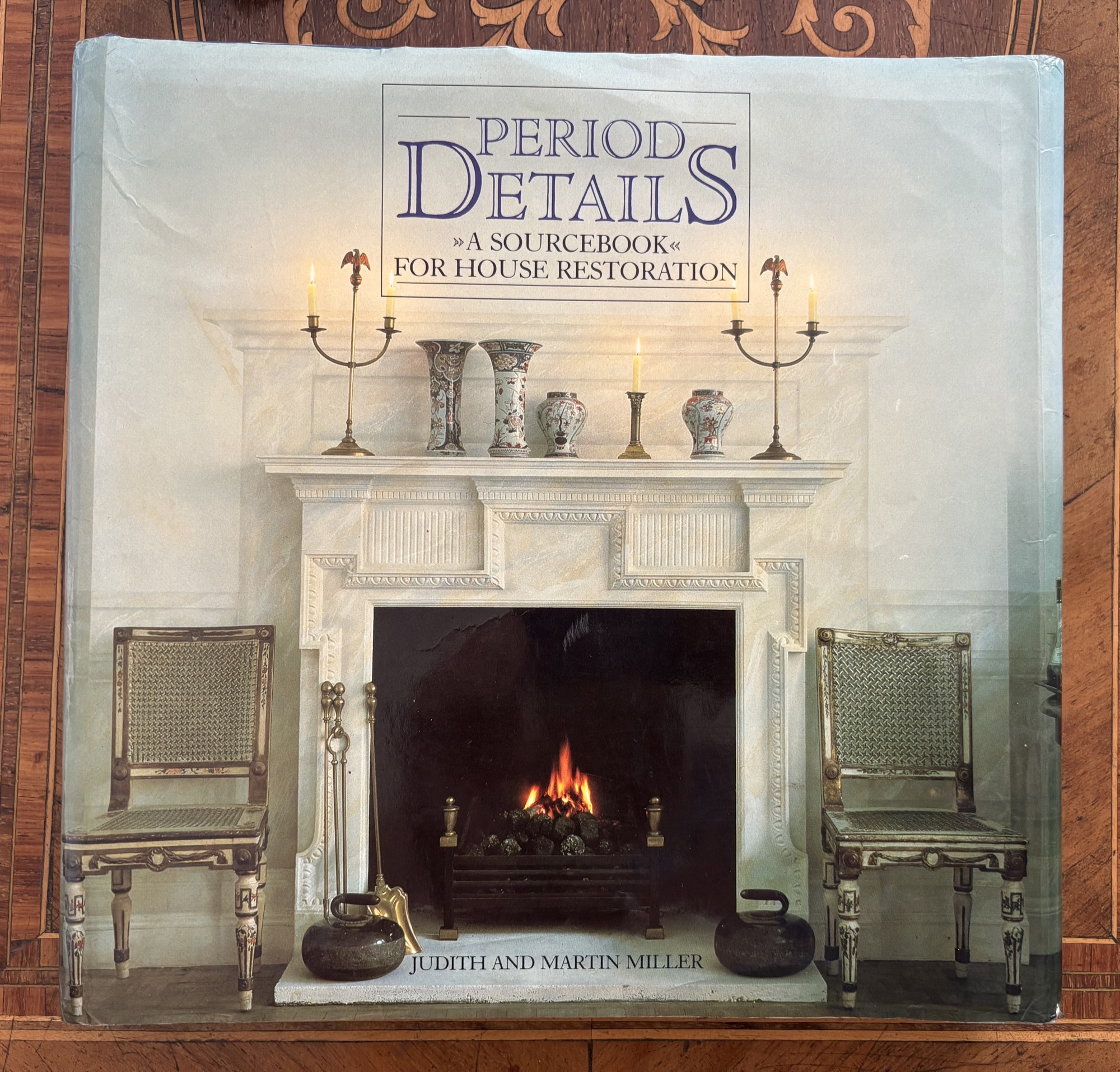
Period Details by Judith and Martin Miller: A Review
A twenty-year-old copy of the Millers' Period Details recently came into our possession, and it has aged remarkably well.
Places · 5 min read
Three Towns We Keep Returning To
From the Northumberland hills to the Isle of Wight coast, three corners of England where the period house is at its most beguiling.