Places · 29 March 2026 · 5 min read
Three Towns We Keep Returning To
From the Northumberland hills to the Isle of Wight coast, three corners of England where the period house is at its most beguiling.
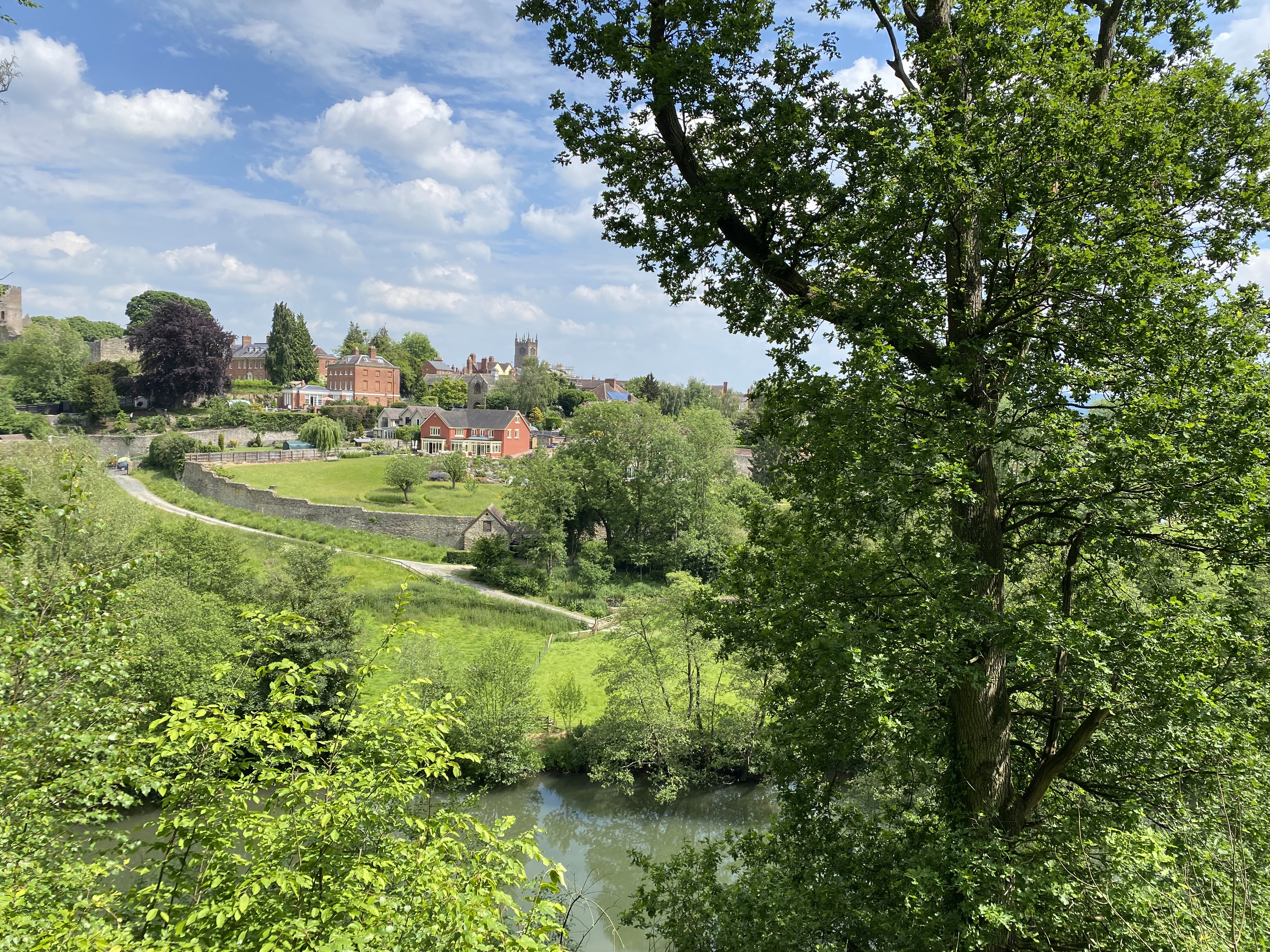
Ludlow, seen across the River Teme
As you might imagine, here at Period Cottages we are partial to a long weekend away in a town with a bit of history. These three in particular keep drawing us back.
Rothbury, Northumberland
The first is Rothbury, set among the heathered hills of Northumberland where the River Coquet runs clear through the centre of the town. It is a tiny place: you can walk from one end to the other in a few minutes, but it has been a market town since the thirteenth century, Tully's, the deli on the high street, stocks excellent local cheeses and is worth a visit in its own right, and Bridgedale Antiques is the sort of small shop you hope to find in a place like this. The short riverside walk upstream to Thropton is one we never tire of, barely a couple of miles, but the Coquet is at its prettiest along this stretch.
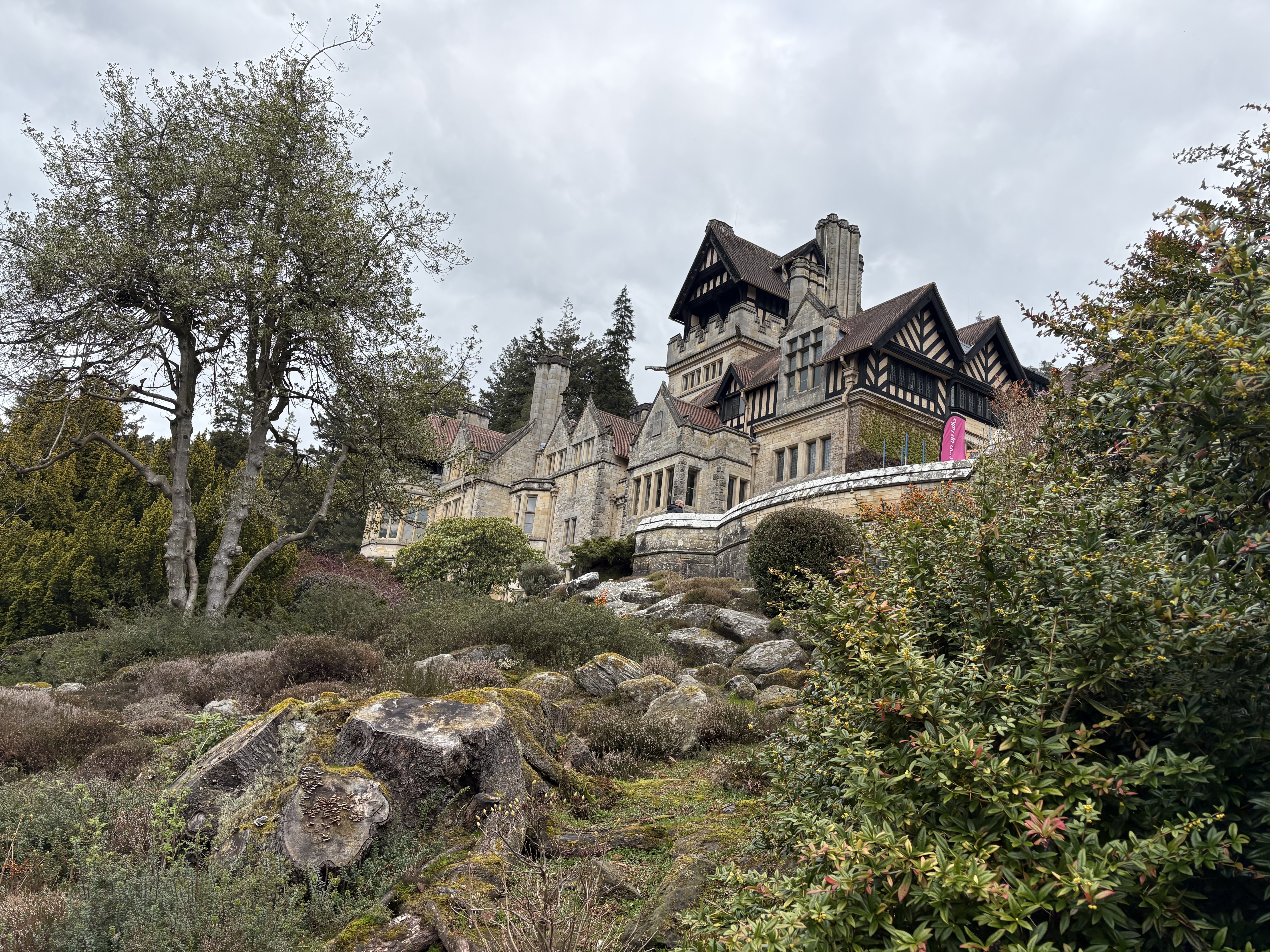
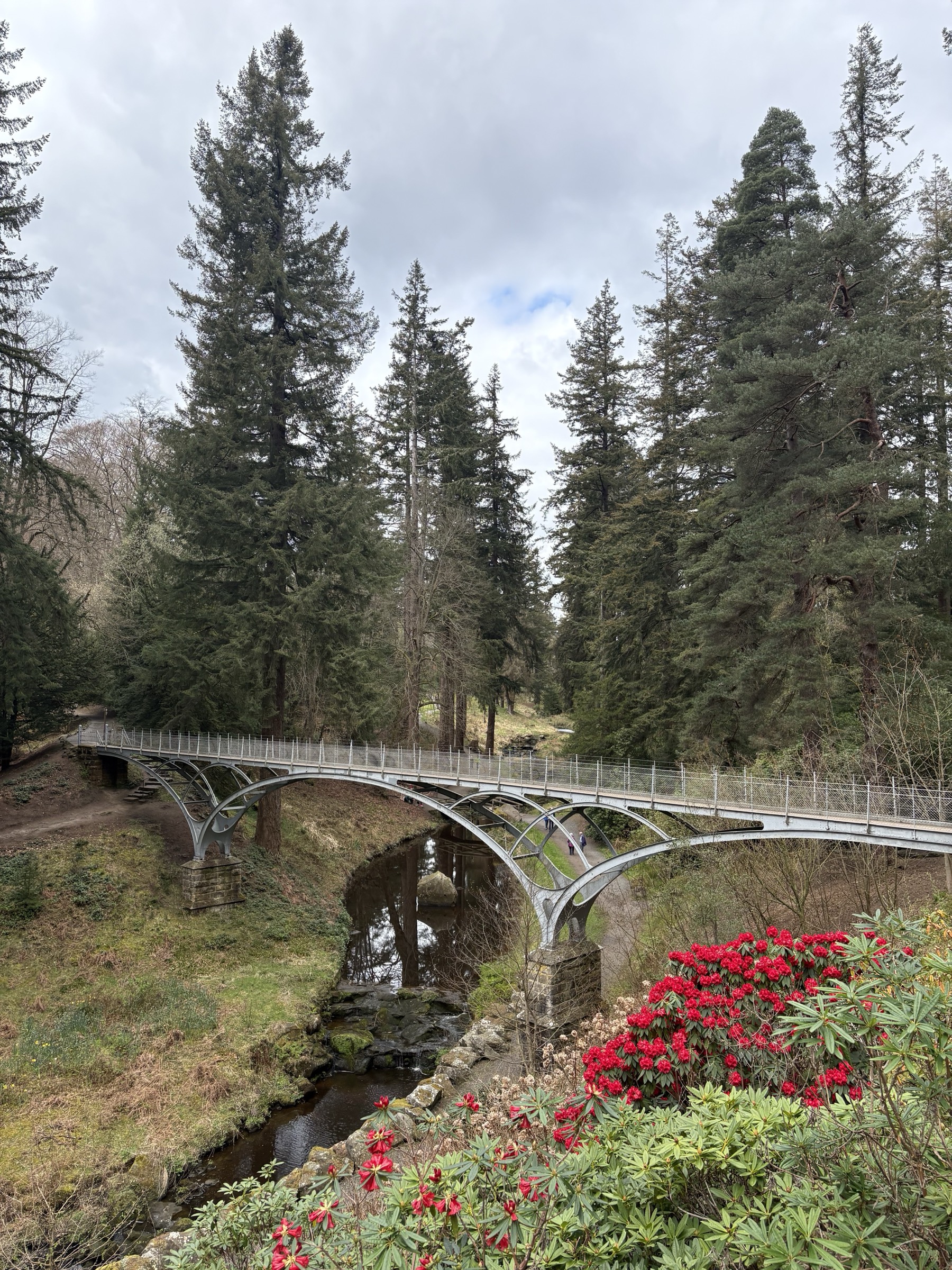
A mile or so upriver from Rothbury lies Cragside, the National Trust's astonishing Victorian house built for the armaments magnate Lord Armstrong, the first in the world lit by hydroelectric power, surrounded by rhododendrons and a landscape of lakes and crags that is at its most spectacular in early summer. The estate runs to over a thousand acres, with five man-made lakes and, so the claim goes, seven million trees planted by Armstrong himself across the hillsides. Rothbury generally makes a fine base for exploring the rest of Northumberland. Drive east and within the hour you reach the coast: wide, empty beaches backed by dunes, boat trips to the Farne Islands to see puffins and grey seals, and some of the freshest seafood in England.
Ludlow, Shropshire
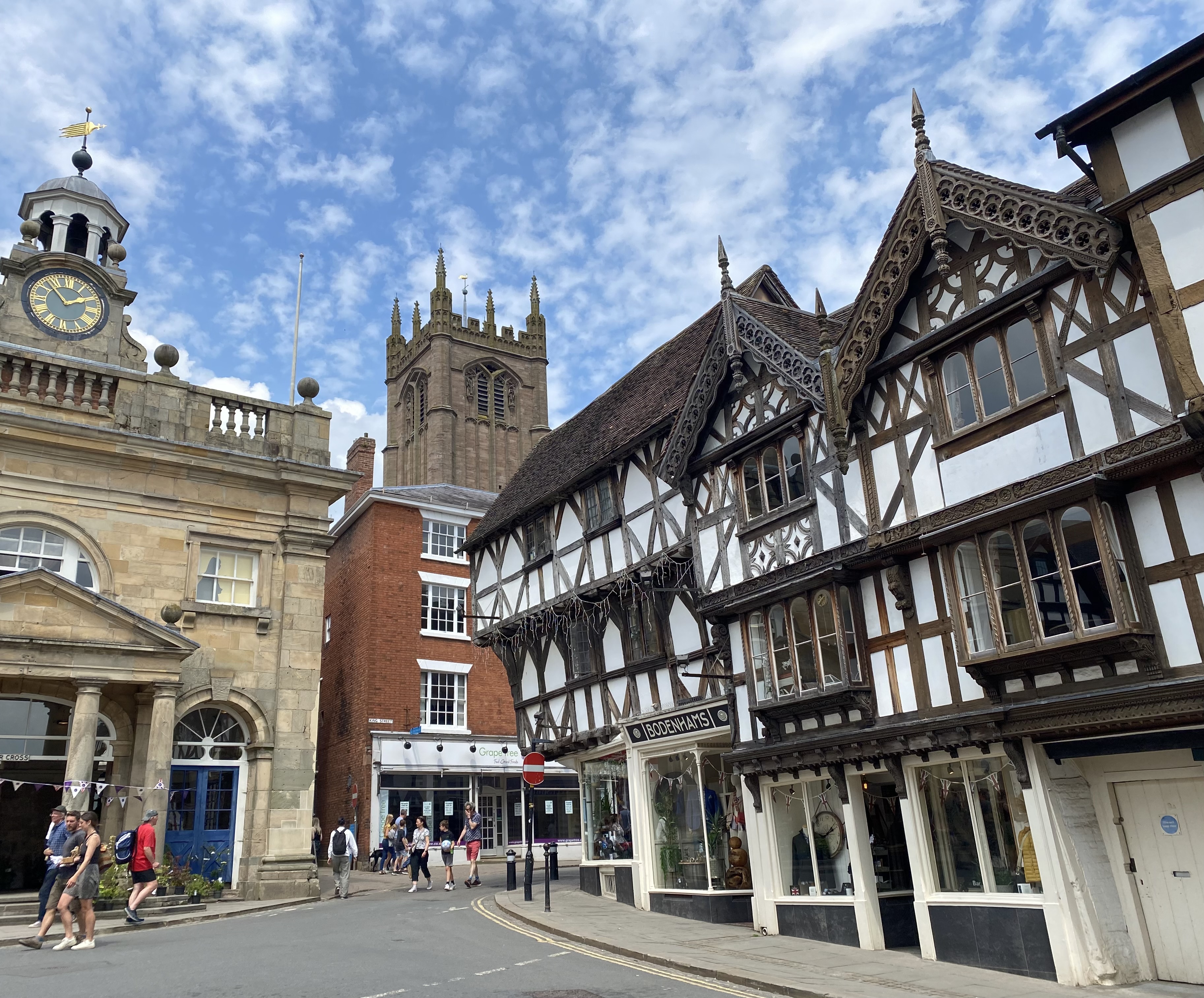
Ludlow, in Shropshire, is the second, and a particularly handsome market town. It rises in tiers from the River Teme to a great Norman castle at its crown, the streets between lined with a remarkable density of timber-framed and Georgian buildings, close to five hundred listed among them. The town's history runs deep: the castle was begun in the eleventh century and later became a seat of the Council of Wales, while the church of St Laurence, with its magnificent misericords, is one of the largest parish churches in the country. The market still fills the square in the shadow of the castle several days a week, and the town has long since earned its reputation as a place that takes its food and its independent shops seriously. To wander up Broad Street, past the medieval Broadgate and the handsome houses that climb towards the church, is a pleasure in itself.
Ventnor, Isle of Wight
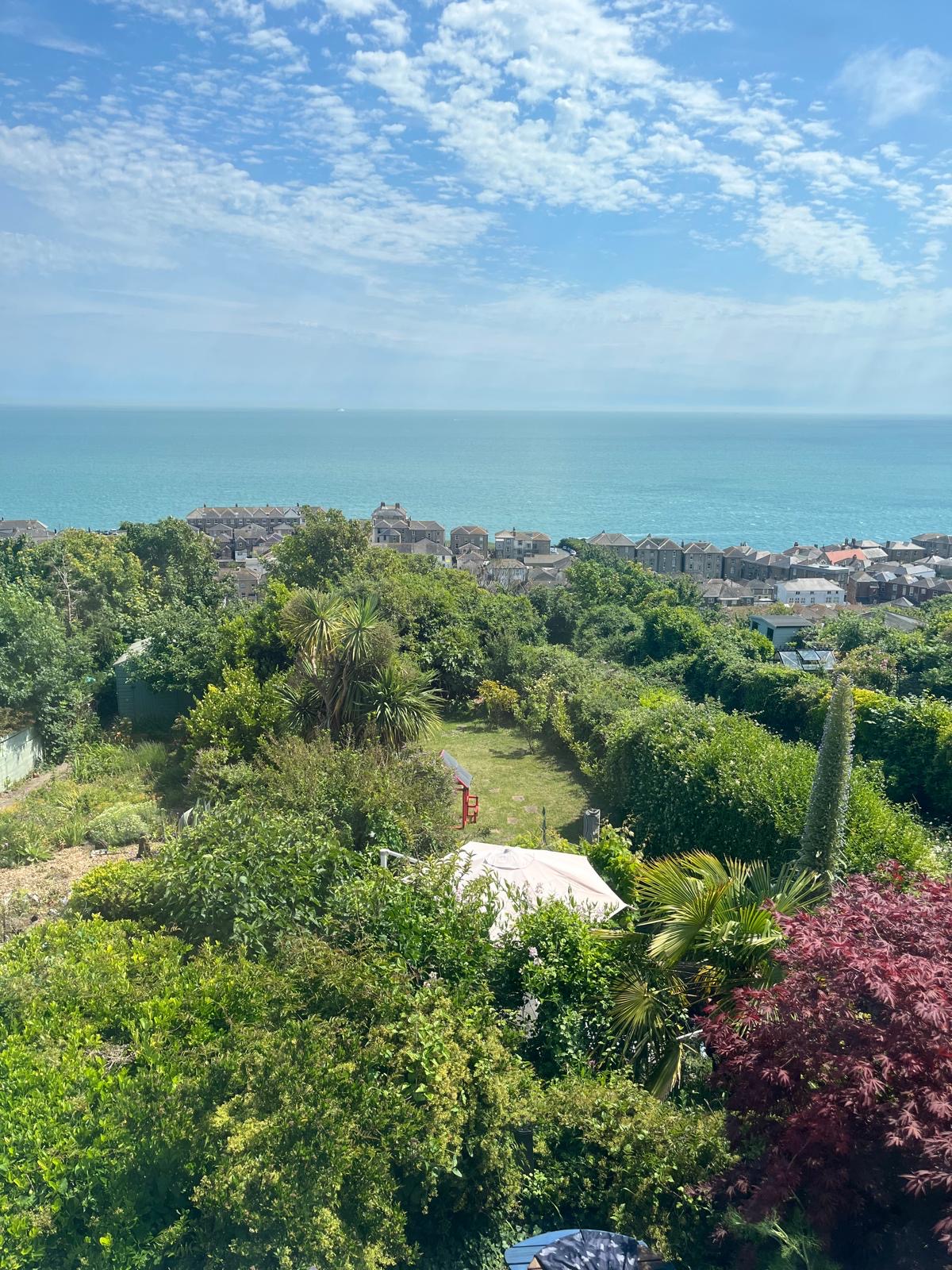
Ventnor, on the Isle of Wight, completes the three: a Victorian seaside town that tumbles down the southern cliffs of the island in a series of terraces, balconies and winding lanes, all of it facing the English Channel with the confidence of a place that knows it has the best view on the coast. The Isle of Wight always feels like a proper holiday: the short ferry crossing separates you from the mainland just enough, and it is noticeably warmer and sunnier on the south coast of the island than you might expect.
The site has been settled since at least the medieval period, but it was the Victorians who made Ventnor what it is: drawn by reports of its extraordinary microclimate, they built it up as a health resort, and the architecture still carries that era's ambition: handsome villas, ornamental ironwork and subtropical gardens where palms and echiums grow in the open air. The microclimate is so warm there are even wall lizards basking on the stone. Dickens visited in the summer of 1849 and called the area 'the prettiest place I ever saw in my life, at home or abroad', and wrote part of David Copperfield while he was there. For lunch, the Smoking Lobster does exceptional seafood, and the Spyglass Inn sits right on the waterfront with a pint and a view that justifies the ferry fare alone.
More from the journal
Reflections · 8 min read
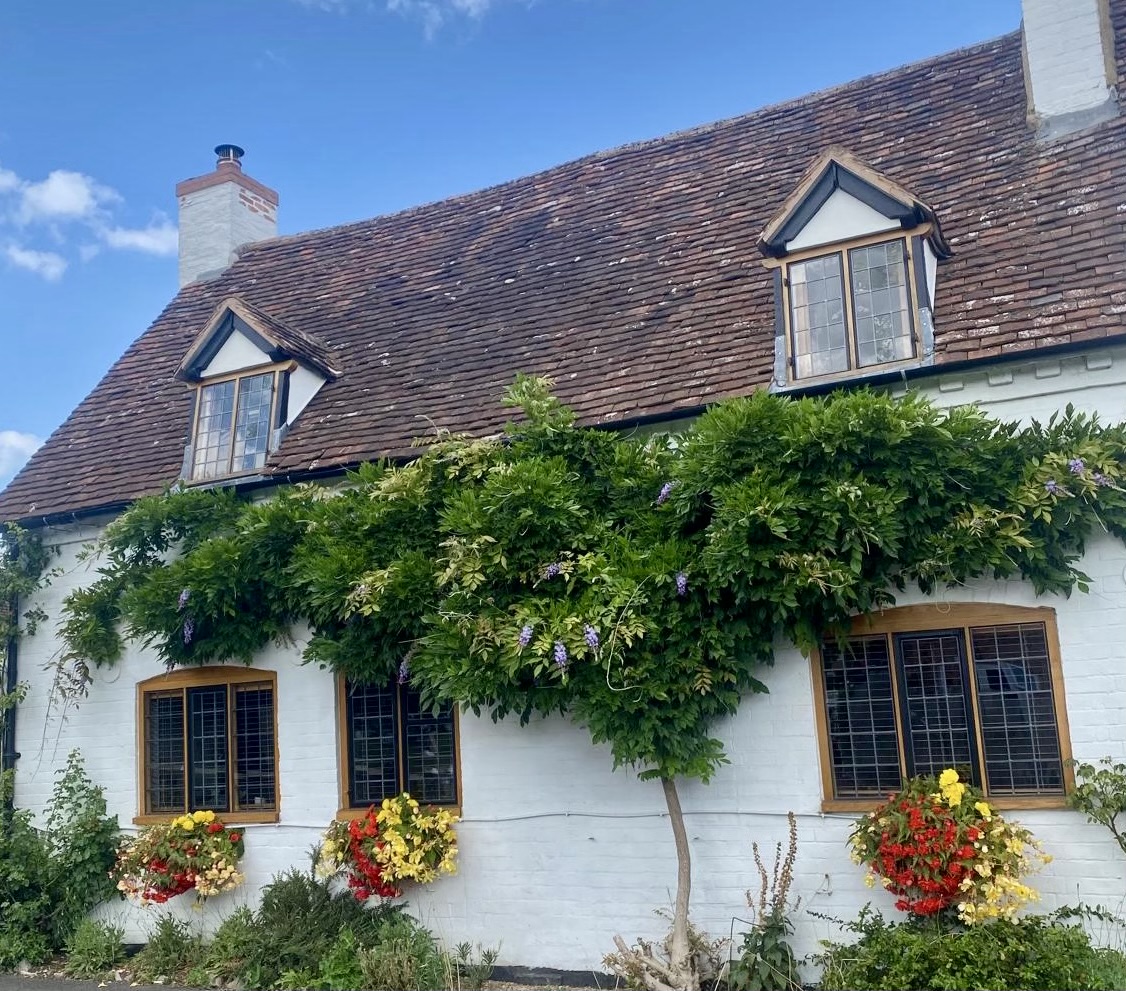
What Makes a House a Cottage
A word everyone knows but is tricky to define: we trace the cottage from its medieval roots to its modern muddle.
Books · 6 min read
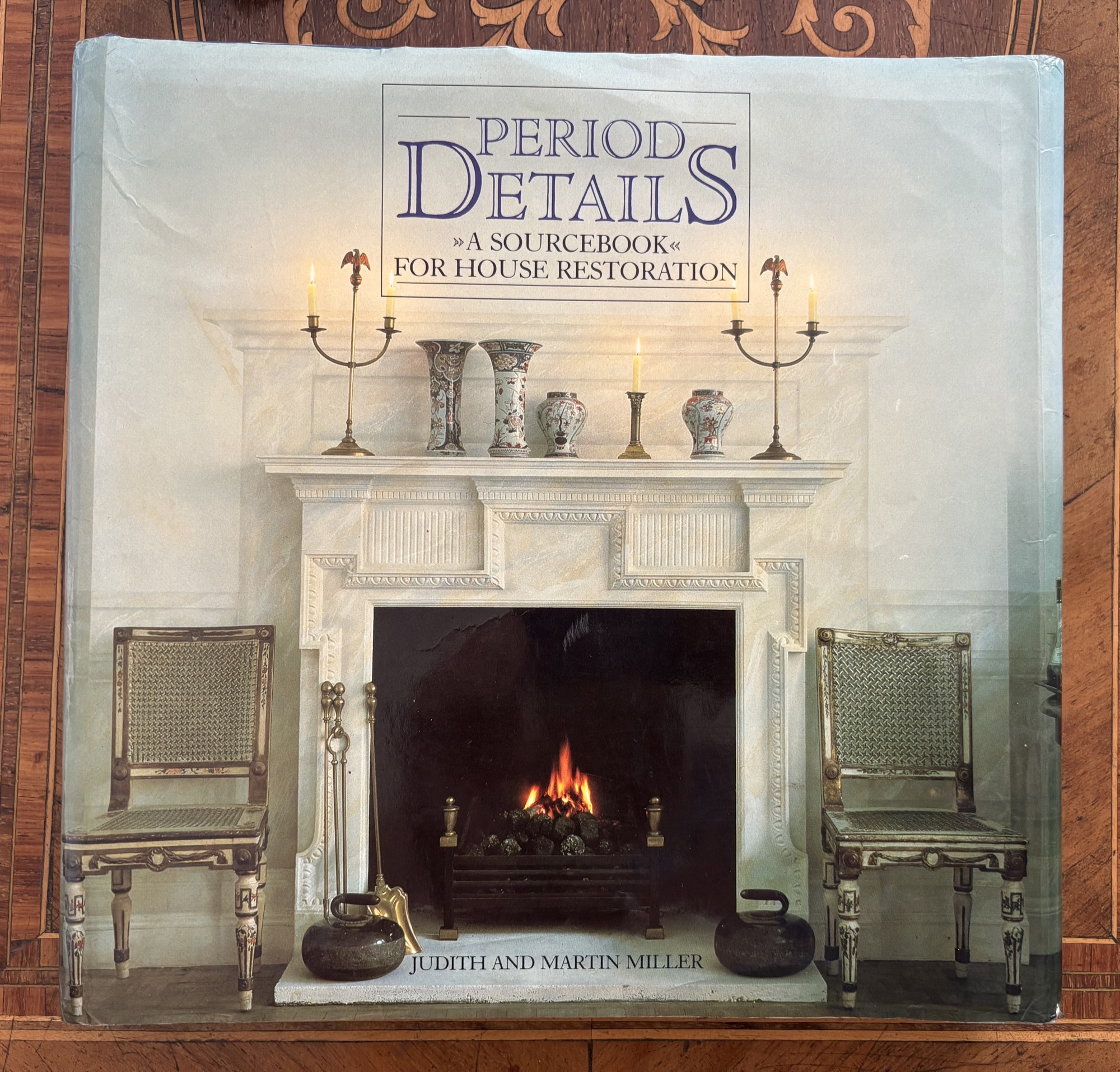
Period Details by Judith and Martin Miller: A Review
A twenty-year-old copy of the Millers' Period Details recently came into our possession, and it has aged remarkably well.
Reflections · 5 min read
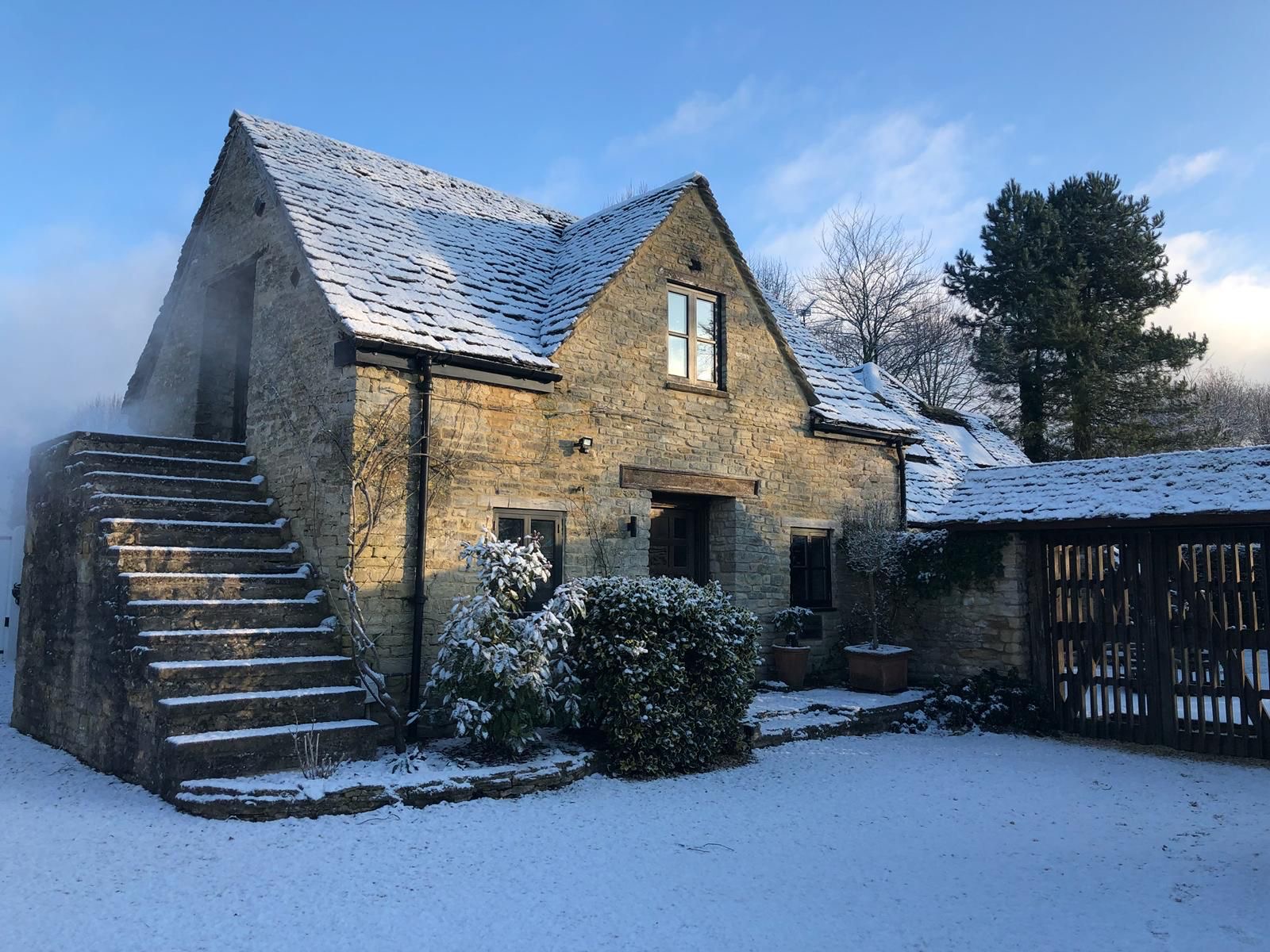
The Compromises
Five disadvantages to living in a cottage.