Interviews · 21 July 2026 · 7 min read
From the Queen's Wendy House to Cornish Thatch: A Conversation with a Master Thatcher
Toby Parfitt-Marr of South West Thatching on how to thatch a roof, roofs that grow six feet thick over centuries, and why 'dying trade' is the biggest myth in the business.
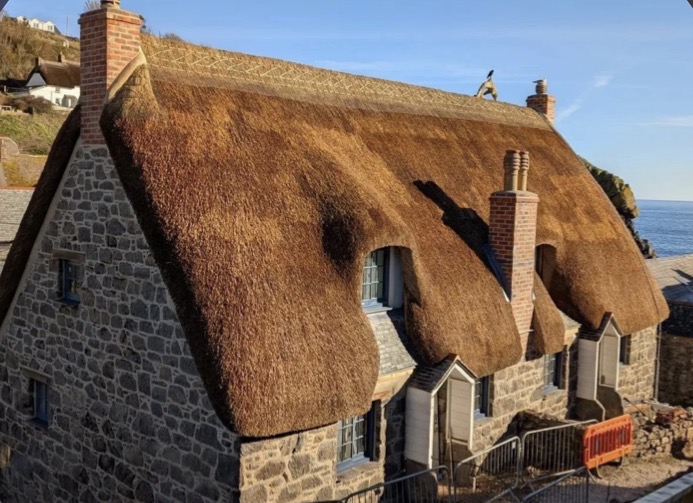
An example of Toby's work, its ridge patterned in water reed.
We caught up with Toby Parfitt-Marr, a master thatcher and the man behind South West Thatching, to talk him through his trade: how he got into it, what actually happens on a roof during a re-thatch, and why thatched cottages in Cornwall end up with that rounded, chocolate box look. He also had plenty to say about insurance, the myth of the dying trade, and what the craft needs from here. What follows is his account, in his own words.
Learning the Craft
Toby's route into thatching started with a single sighting. "My interest in thatching began just after I left school, when I saw a local thatcher up on a roof in Penzance and was inspired. I made it my mission to find one to teach me, which wasn't easy: there were only a handful of thatchers in the area and none of them had work going. I finally got a response from a thatcher in Exeter, but I have worked with many others since, picking up regional differences and styles along the way. It takes around four to five years to train to an acceptable standard, but you're always learning, I still have days where I'm scratching my head over a certain feature."
How a Roof Is Restored
Every restoration starts with a decision that has already been made for you. "It typically starts with the choice of material: wheat straw, water reed or long straw. Whatever is already on the roof is normally what you replace it with, unless you apply to change it with English Heritage. Each material is set up slightly differently, though in my region I only use wheat straw and water reed. We start by stripping some of the old material, but leave on as much as possible to create a firm, thick underbed to fix the new layer into."
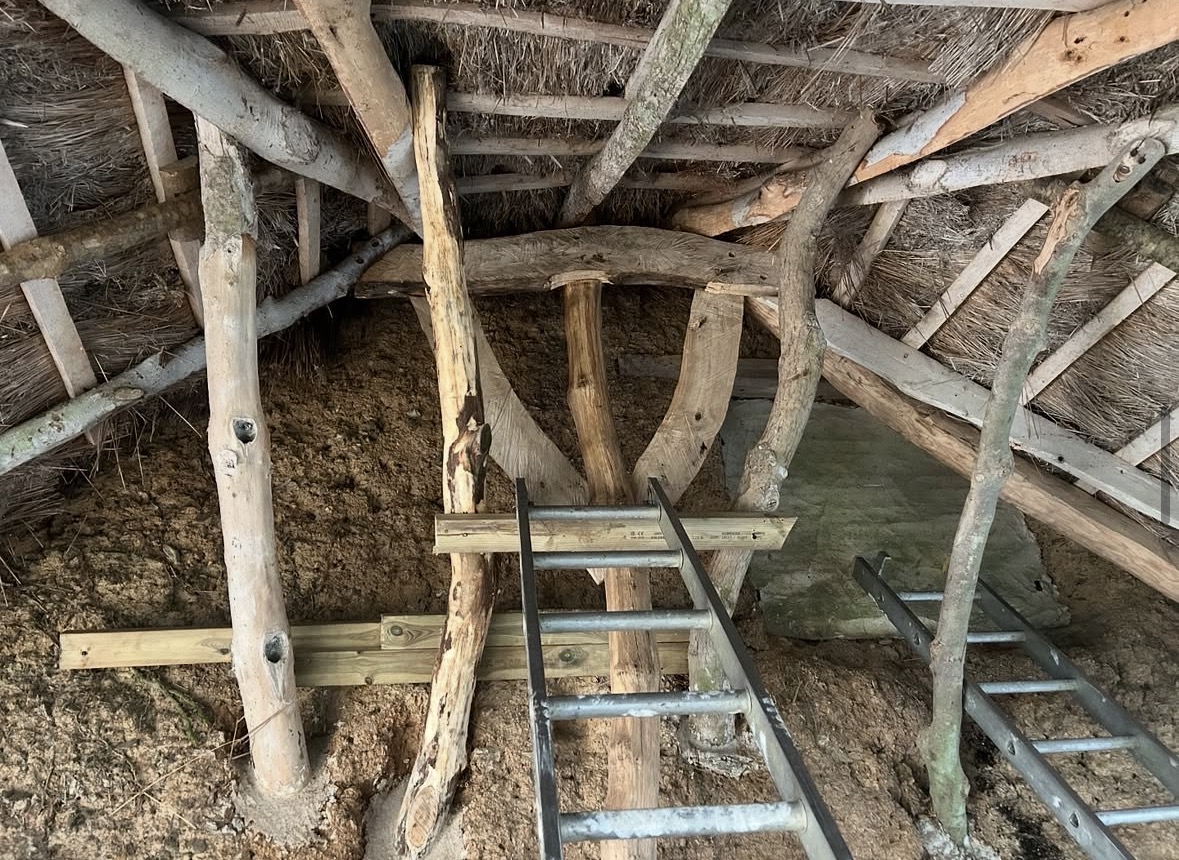
"This process of leaving on layers is how many roofs around the county become very rounded and thick looking, giving you the chocolate box look, some roofs I have worked on can be over 6ft thick down to timbers! This takes hundreds of years to build up but doing so preserves the history of the thatch, you can literally see the layers of the previous thatcher's work. This is mostly typical to the South West region as many other thatchers across the country will always remove all the thatch down to timbers at every renewal."
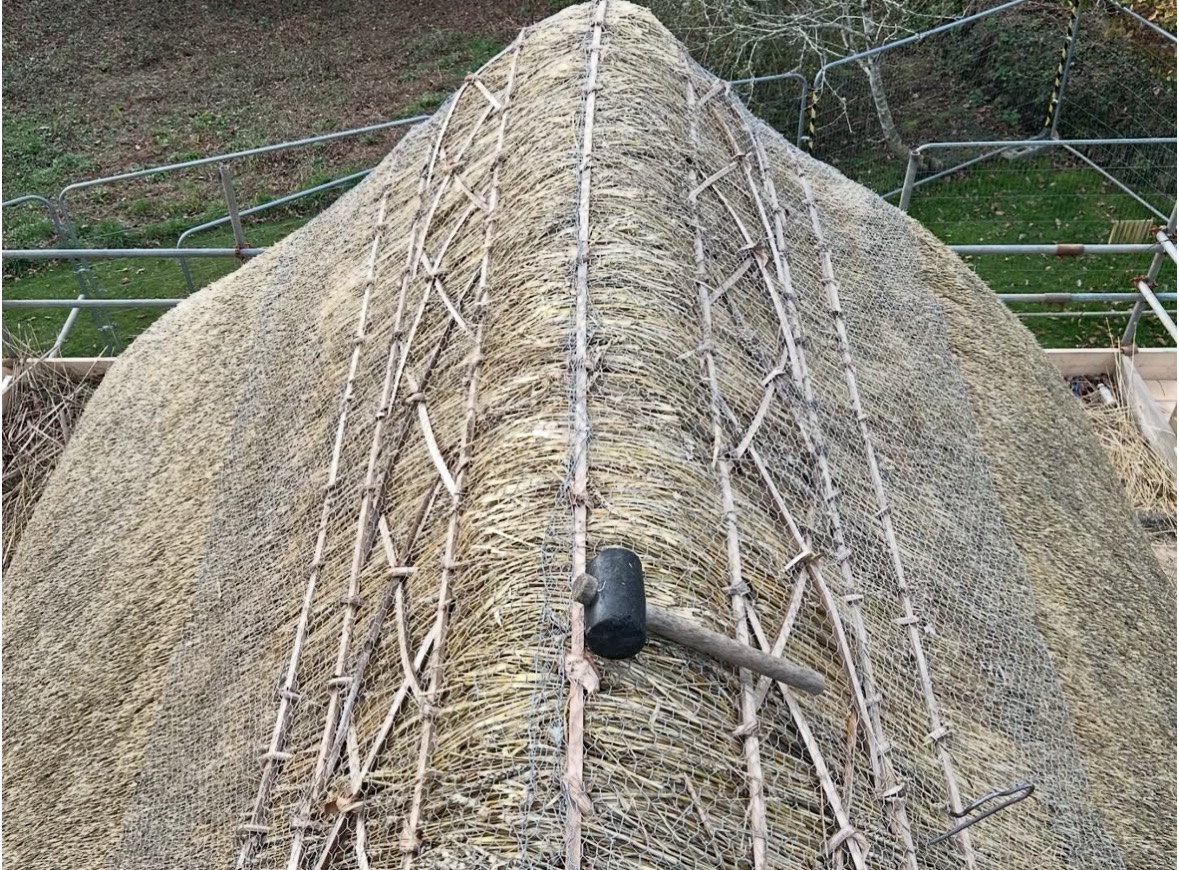
"Once the underbed is prepared we install the new top layer, working across the roof in overlapping sets fixed with hazel spars (wooden twisted staples) pushed over a wheat bond (a bundle of straw), each dressed with a Leggett (a paddle-shaped tool) for the right pitch and thickness. Once the coat work (the new layer of thatch) is done, the ridge goes on: wheat straw lapped over the apex and pinned down with hazel spars. This is where you get to show off and the artistry comes into play, from patterned ridges to a simple flush cut, but they all do the same job, to keep the rain out."
A Royal Commission
Among the more unusual commissions on his books: the Queen's own childhood Wendy House. "I've worked on many interesting roofs across the country but the one that stands out was the Queen's Wendy House in Windsor Great Park. A fully working scaled down thatched house for the Queen to play in as a little girl. It was an absolute honour completing this job, I even got a silver service tea and biscuits from the house butler."
Preventing Thatched Roof Issues
His advice for anyone living under thatch is simple. "I always advise yearly checks from a thatcher, this way we can spot anything that may become an issue in the coming year and prevent it becoming a bigger issue."
Why Thatched Cottages Look Different in Cornwall
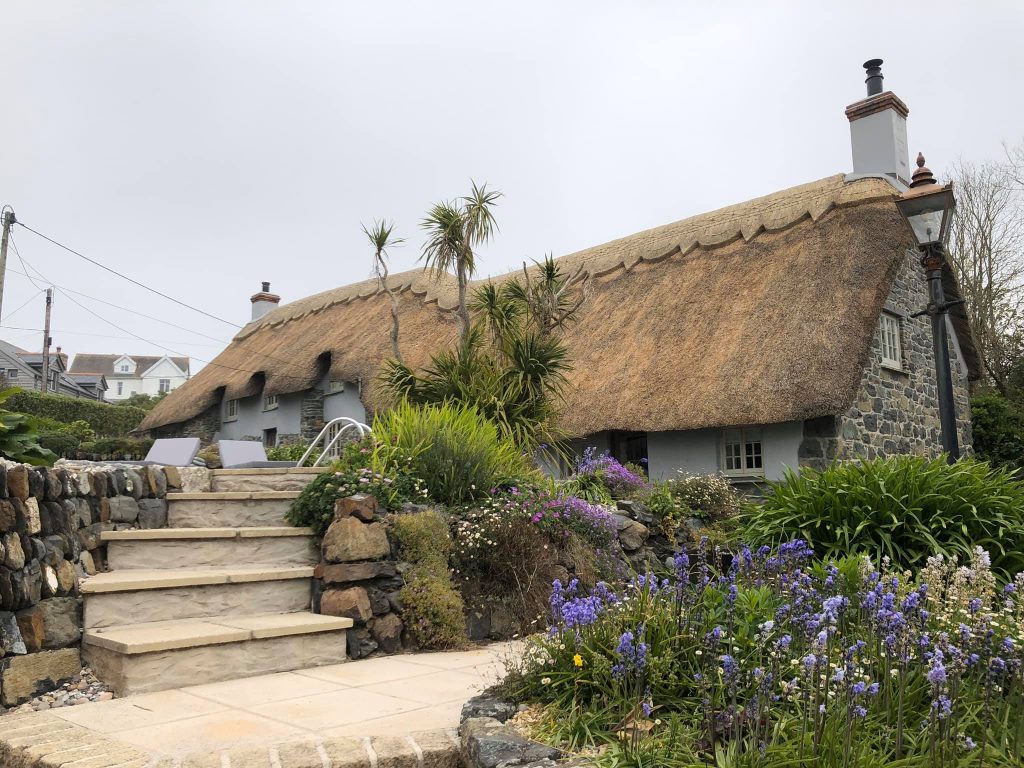
Ask what sets the South West apart and Toby comes straight back to those layers. "Absolutely, leaving on multiple layers is very common in Cornwall and Devon. You can spot these properties: they look round and shapely, compared to a one layer roof, which can look thin and square. We also prefer a less fancy ridge, with many of our roofs traditionally flush cut with no patterns."
Wheat or Reed
"We use combed wheat and water reed, it used to be mostly combed wheat but has now become a 50/50 split with customers becoming increasingly able to change the material on their roof. Water reed is much harder wearing and will outlast wheat so if a client is able to change I always encourage it."
Fire, Insurance and the 'Dying Trade' Myth
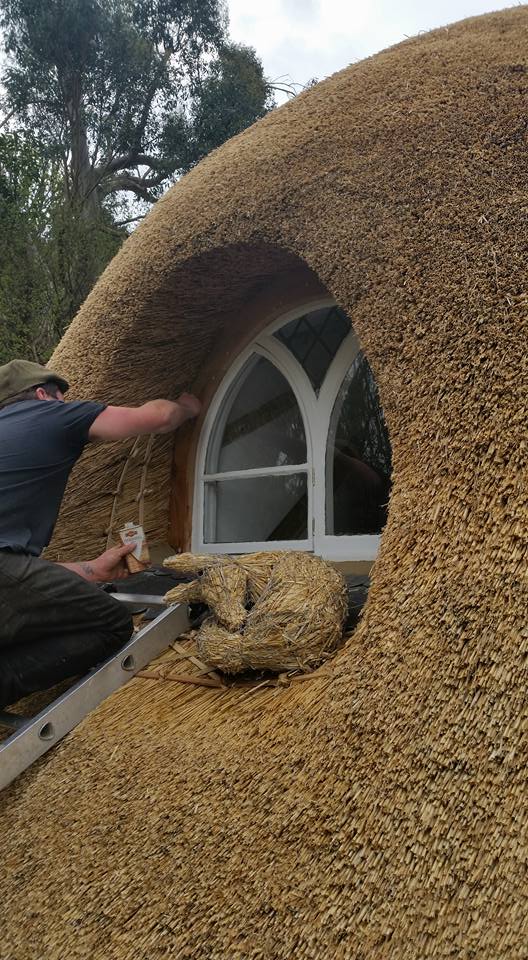
Ask about the biggest thatched roof issues, fire, pests, insurance costs, and Toby doesn't hesitate. "Unfortunately all these are relevant. Insurance is very high currently, mainly due to the increased risk of fire and pests, though both can be managed: fire boarding, sprays and sprinkler systems all cut the time it takes for a fire to take hold. Most insurers now insist on chimneys of at least 1.8m and want all electrics, especially in the loft, checked and covered. Thatch is just higher risk."
"The biggest myth I do hear is when people say, 'thatching is a dying trade', this is not true as thatching is very much not dead and is very much in demand. This saying comes from the second world war when many of the thatchers never returned from war."
What Thatching Needs Now
Toby is clear about what would secure the craft's future. "Funding and recognition from the government to allow a proper apprenticeship scheme to allow thatchers to train new thatchers. Along with more incentives to encourage farmers to grow more wheat so we are not faced with shortages of materials."
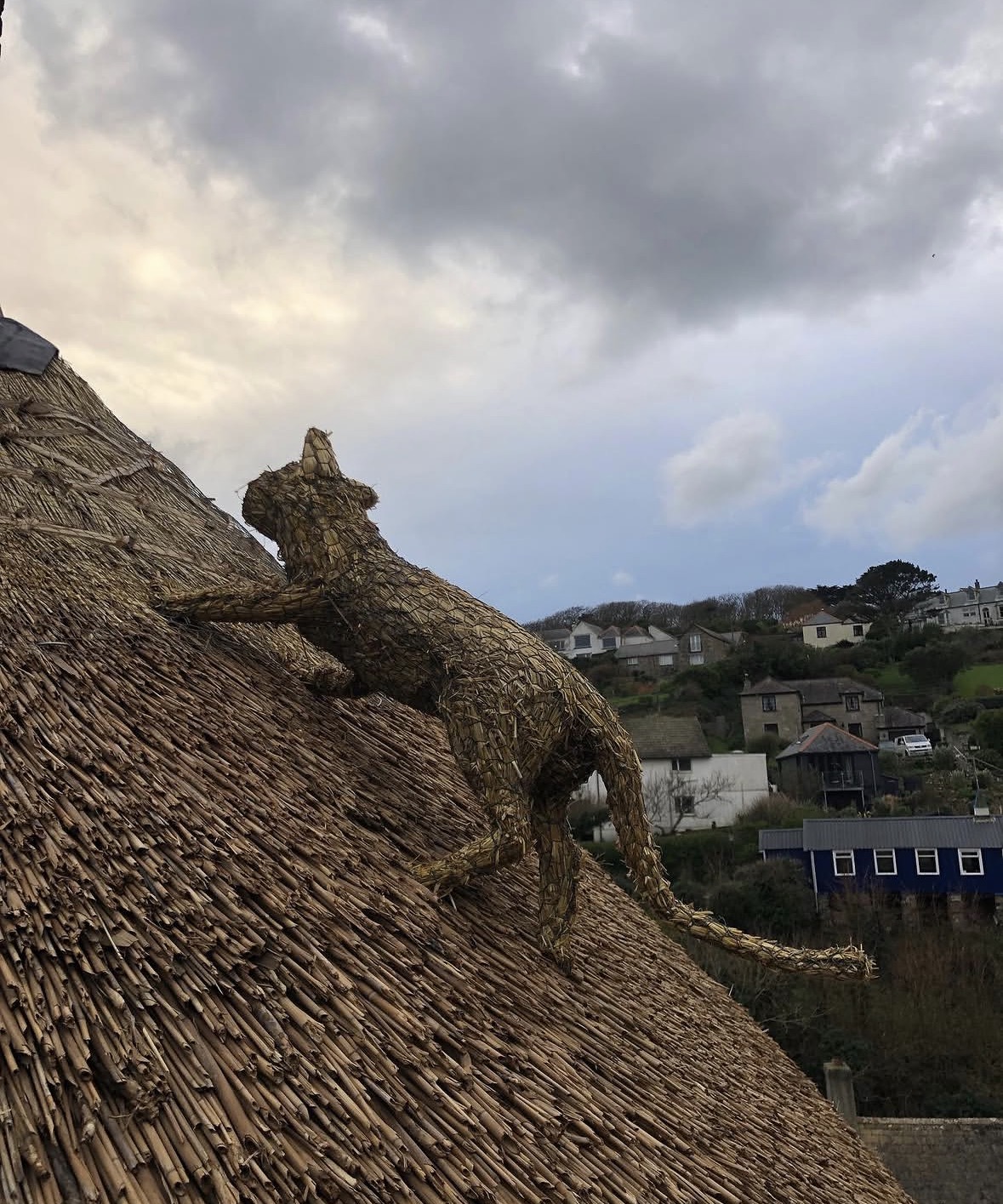
If you live in Cornwall or Devon and own a thatched cottage, whether you need a yearly check, a repair, or a full re-thatch, Toby and South West Thatching can help.
More from the journal
Reflections · 8 min read
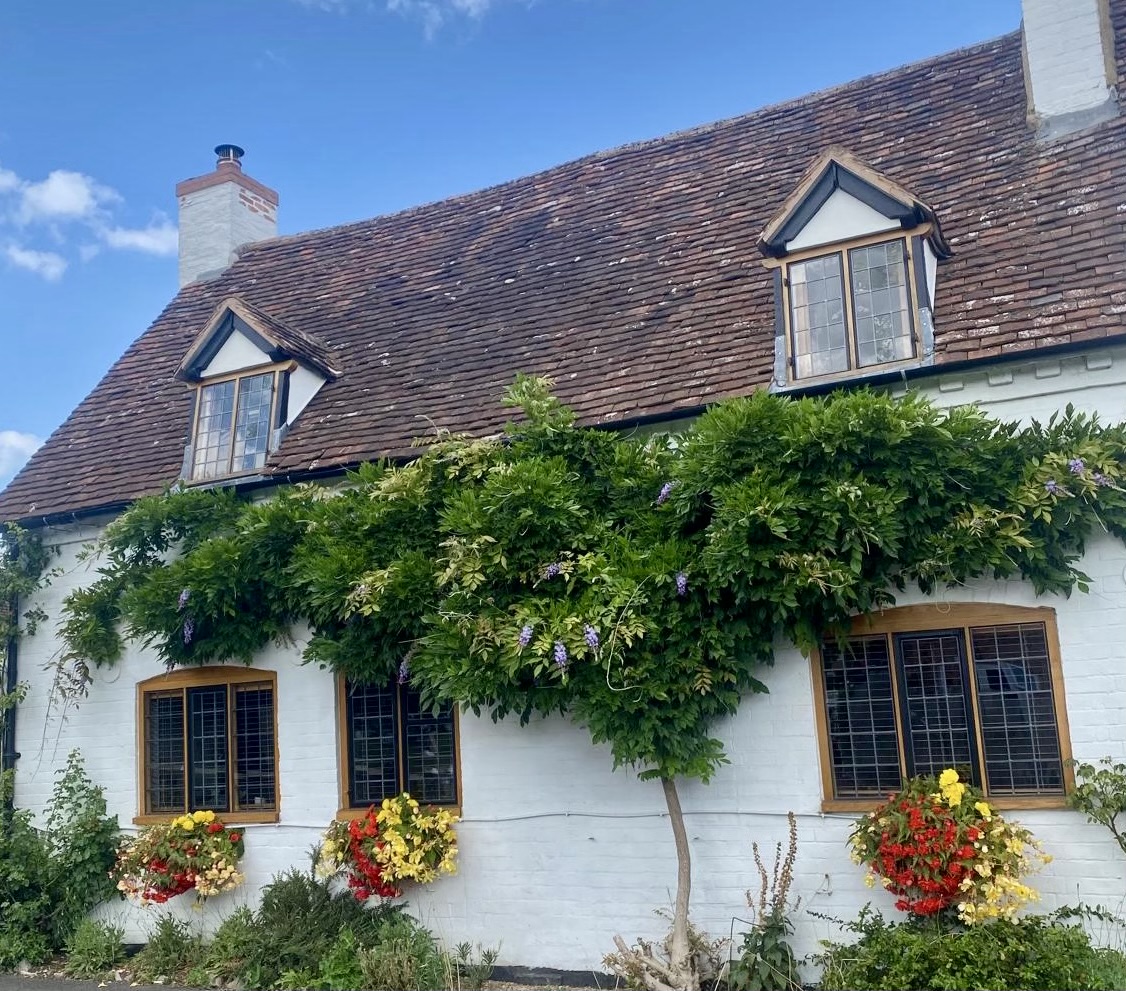
What Makes a House a Cottage
A word everyone knows but is tricky to define: we trace the cottage from its medieval roots to its modern muddle.
Books · 6 min read
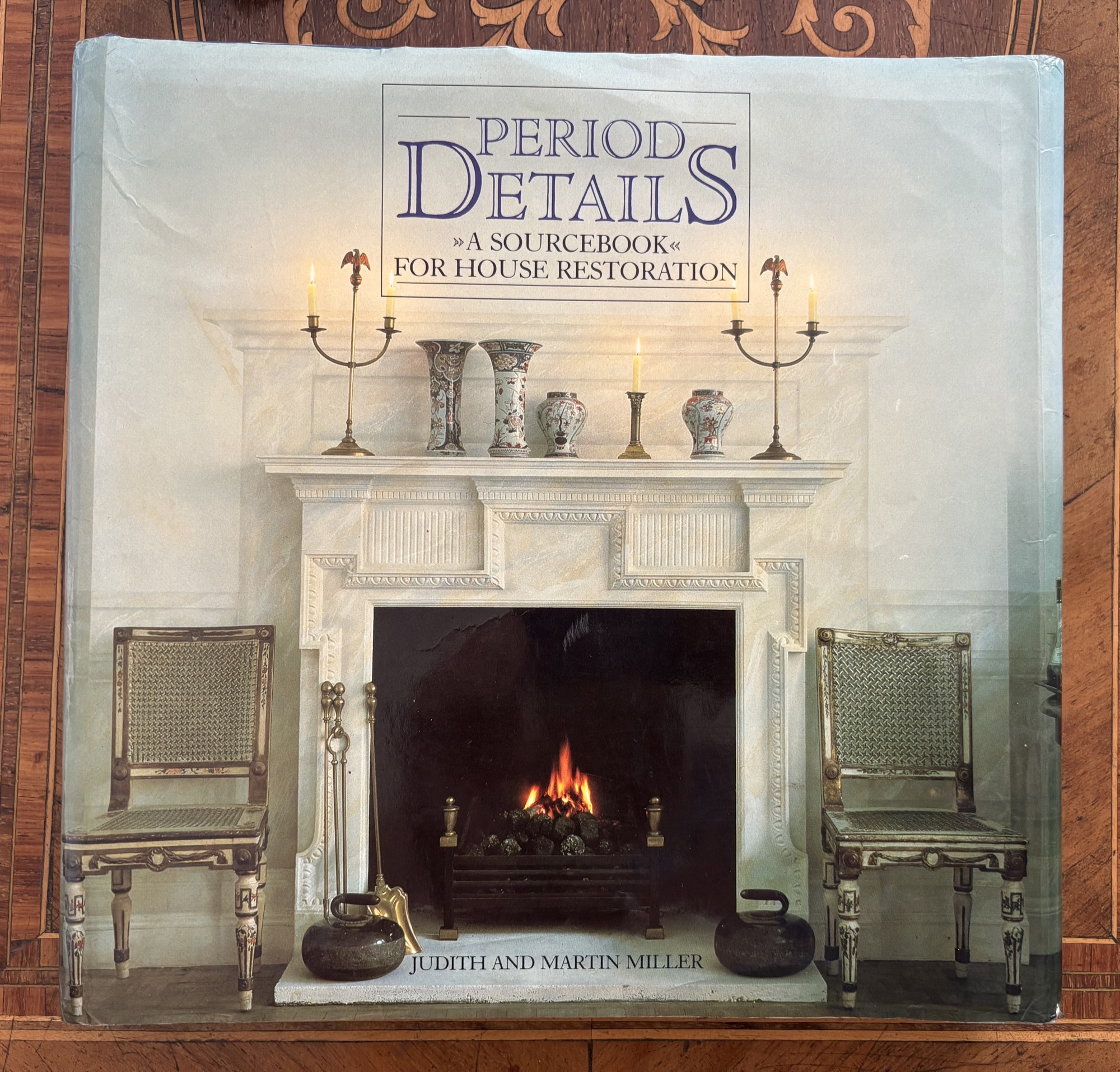
Period Details by Judith and Martin Miller: A Review
A twenty-year-old copy of the Millers' Period Details recently came into our possession, and it has aged remarkably well.
Places · 5 min read
Three Towns We Keep Returning To
From the Northumberland hills to the Isle of Wight coast, three corners of England where the period house is at its most beguiling.