Reflections · 20 June 2026 · 8 min read
What Makes a House a Cottage
A word everyone knows but is tricky to define: we trace the cottage from its medieval roots to its modern muddle.
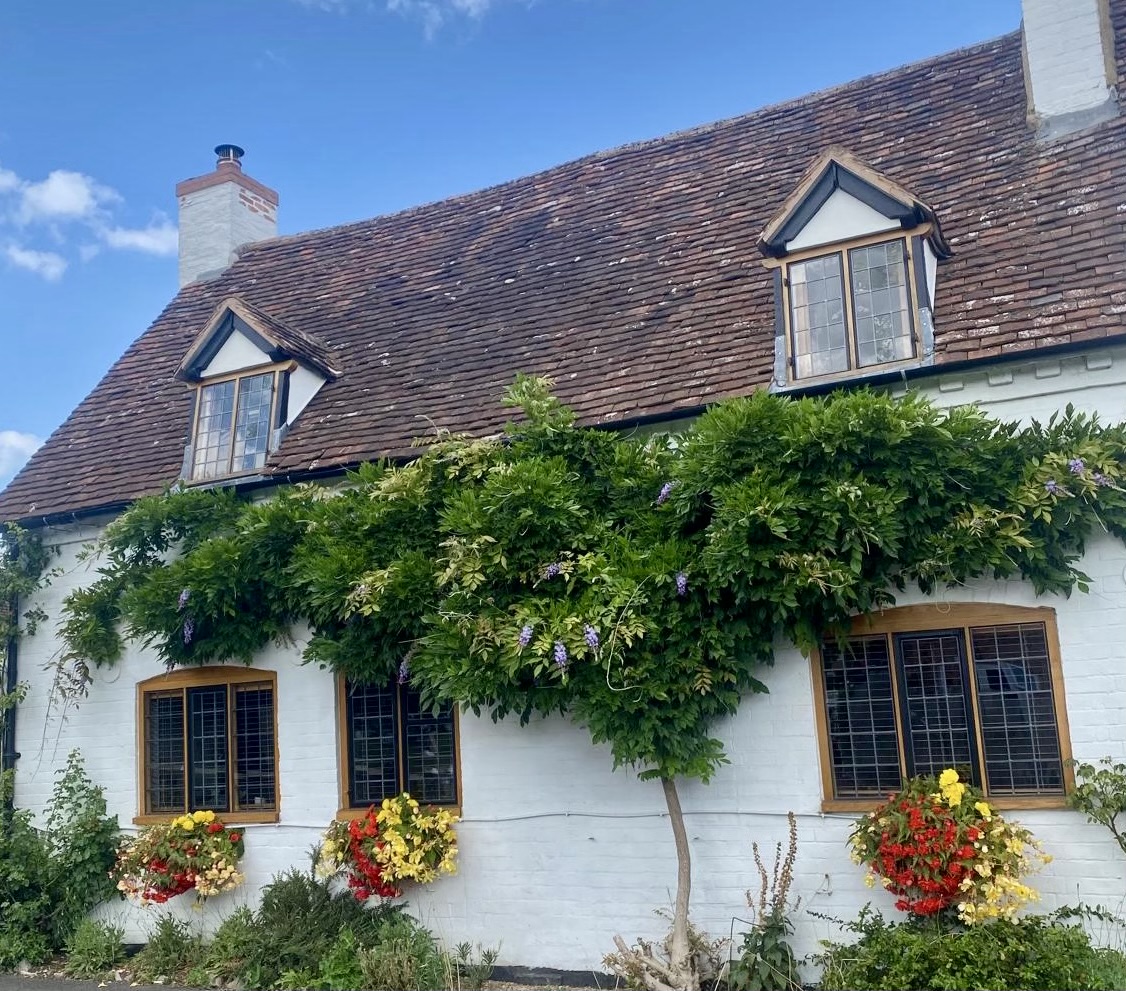
The kind of house the word cottage calls to mind: whitewashed walls, a tiled pitch, leaded windows and wisteria making its slow claim on the facade.
A word everyone knows
Ask someone to picture a cottage and they will almost certainly see the same thing: a small house with a low roof, probably thatched, with roses around the door and a wisp of smoke from the chimney. It is a particularly loaded word in the English language, and one that is loosely defined. It is a word that has meant different things in different centuries, and today means something different again: part description of a building, part feeling about one.
What defines a cottage?
So what, in short, defines a cottage? At its simplest: a small, humble dwelling, usually rural, built by hand from whatever material lay closest, stone, brick, cob or timber, with low ceilings, thick walls and a modest footprint. There is no meaningful legal definition, no planning category, no minimum number of beams, no maximum square footage. But that quality of smallness and handmade simplicity runs through the word's history, from the medieval cottar's hut to the whitewashed cottages we picture today.
The Old English root
The word itself is old. It appears in medieval Latin as cotagium, and in Old French as cotage, both rooted in the Old English cot: a shelter, a place to sleep. A cotter or cottar was the lowest rank of feudal tenant: a labourer who held a small dwelling and perhaps an acre or two of land in return for service. The cottage, then, began life not as something picturesque but as something humble: the house of a person who had very little.
Early appearances
In its earliest written appearances the word is entirely functional. The Domesday Book of 1086 records Coterelli, cottagers, as a distinct class, below the villeins, holding barely enough land to feed themselves. By the fourteenth century, cottage had settled into English usage as a plain descriptor of a small rural dwelling, usually of one or two rooms, usually occupied by someone who worked the land.
A moral shift
By Shakespeare's time, in the late sixteenth century, the idea of the humble rural dwelling had begun to acquire a moral colour. In Cymbeline and As You Like It, the simple life lived close to the earth is set against the corruption of the court: the cave, the forest lodge, the shepherd's hut standing for an honesty that palaces cannot offer. Shakespeare may not have dwelt on the word cottage itself, but the shift was already underway: the notion that smallness and rural life might carry a moral weight that grander houses do not.
The Romantic reinvention
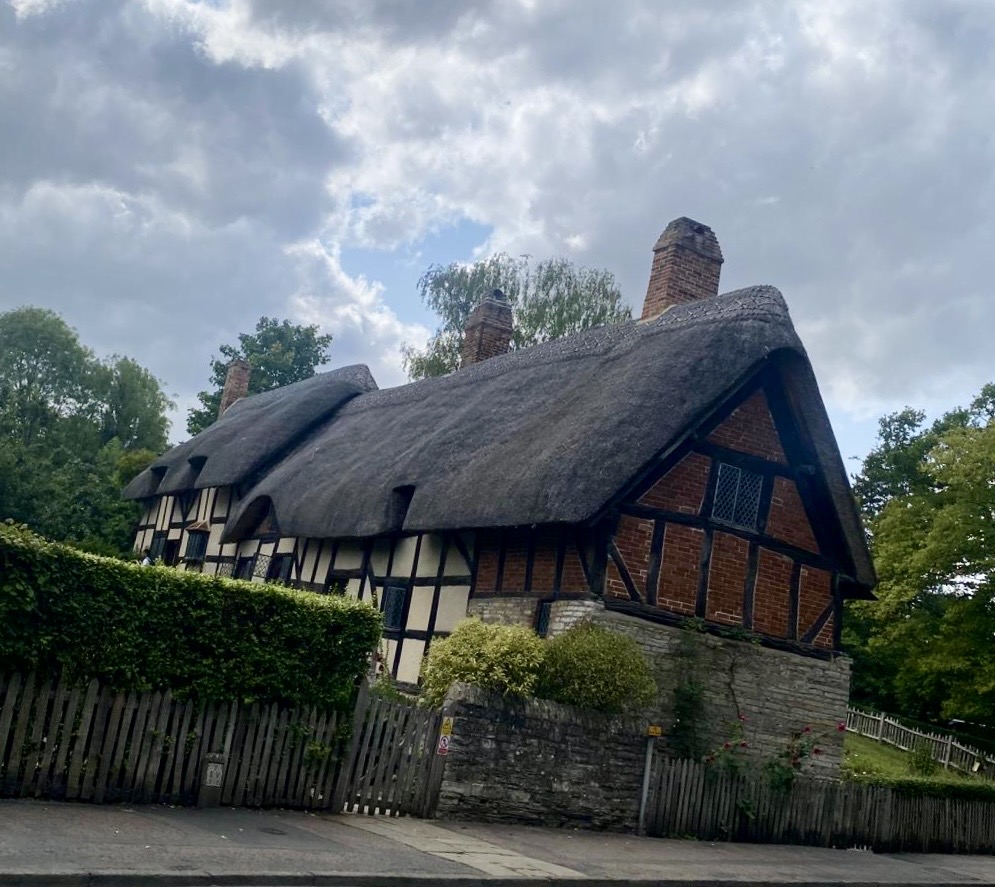
The real transformation came in the eighteenth and nineteenth centuries. Wordsworth lived in Dove Cottage, in Grasmere. Constable painted them into the Suffolk landscape. Jane Austen sent the Dashwood sisters to live in one, and it turned out to be the making of them. Before long, architects were designing deliberately rustic dwellings for the gentry, and by the late nineteenth century the Arts and Crafts movement had picked up the thread, Voysey and Lutyens designing cottage themed houses with low eaves and inglenooks that were nothing of the sort in scale. The cottage had completed its long journey from poverty to poetry.
The modern muddle
And so we arrive at the modern muddle. Estate agents use the word with cheerful abandon, knowing that it conjures warmth and character even when applied to a five-bedroom thatched house in the Cotswolds that an eighteenth-century cottar would have found unimaginably grand. The word has become unmoored from its origins: it no longer strictly describes a size, a construction or a social class. It describes an atmosphere as much as a building.
Is it a British thing?
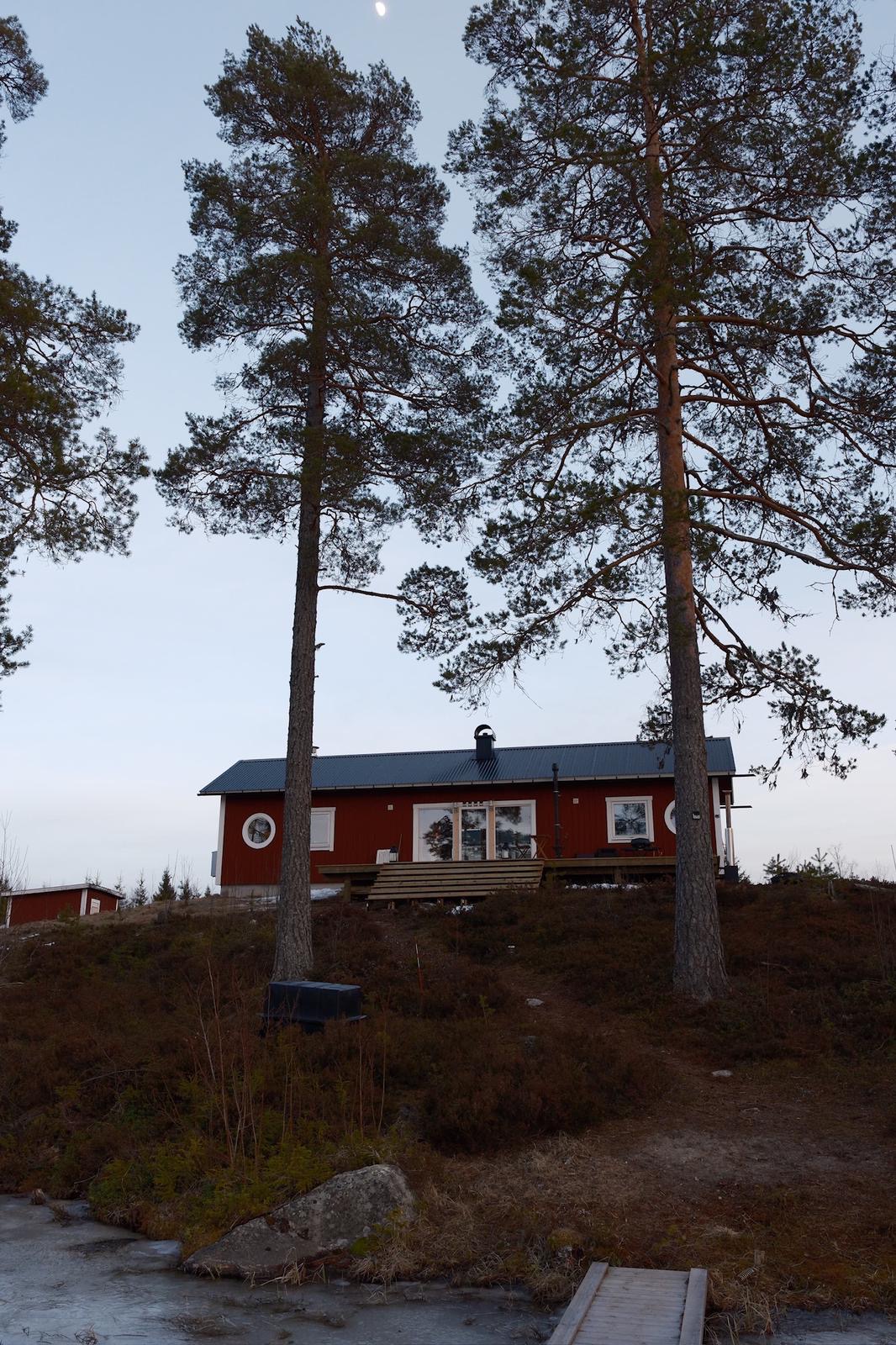
Is the cottage an exclusively British idea? Not entirely, but nearly. The Scandinavian stuga, the German Hütte, the French chaumière all describe small rural dwellings. The American cabin comes closest in emotional register, the idea of a simple dwelling in nature, loaded with nostalgia, but it belongs to a different landscape and mythology. The British cottage is particular because it is rooted in its geography: the patchwork of hedged fields, village greens and parish churches that still defines much of rural Britain. It borrows its character from that landscape in a way that does not quite translate.
The dictionary's answer
The Cambridge Dictionary settles the matter with admirable brevity: 'a small, simple house, typically in the countryside'. After everything above, we can only admire its confidence. We agree that smallness helps, and age certainly matters, at least to us. Though here at Period Cottages we can't promise to show you only simple ones, and we have definitely spotted more than a few down a quiet city street.

Which brings us back: a cottage is a feeling as much as a building, a word that draws heavily on the imagination. But strip away the romanticism and you still find real things in common: thick walls, small rooms, local materials, a door that sits close to the street. They were built by hand, from local stone or timber or cob, shaped by climate and the materials that lay closest to hand. Small, simple and rural may be the ingredients, but like any good recipe, it all needs to come together. Ultimately, you just know one when you see it.
More from the journal
Books · 6 min read
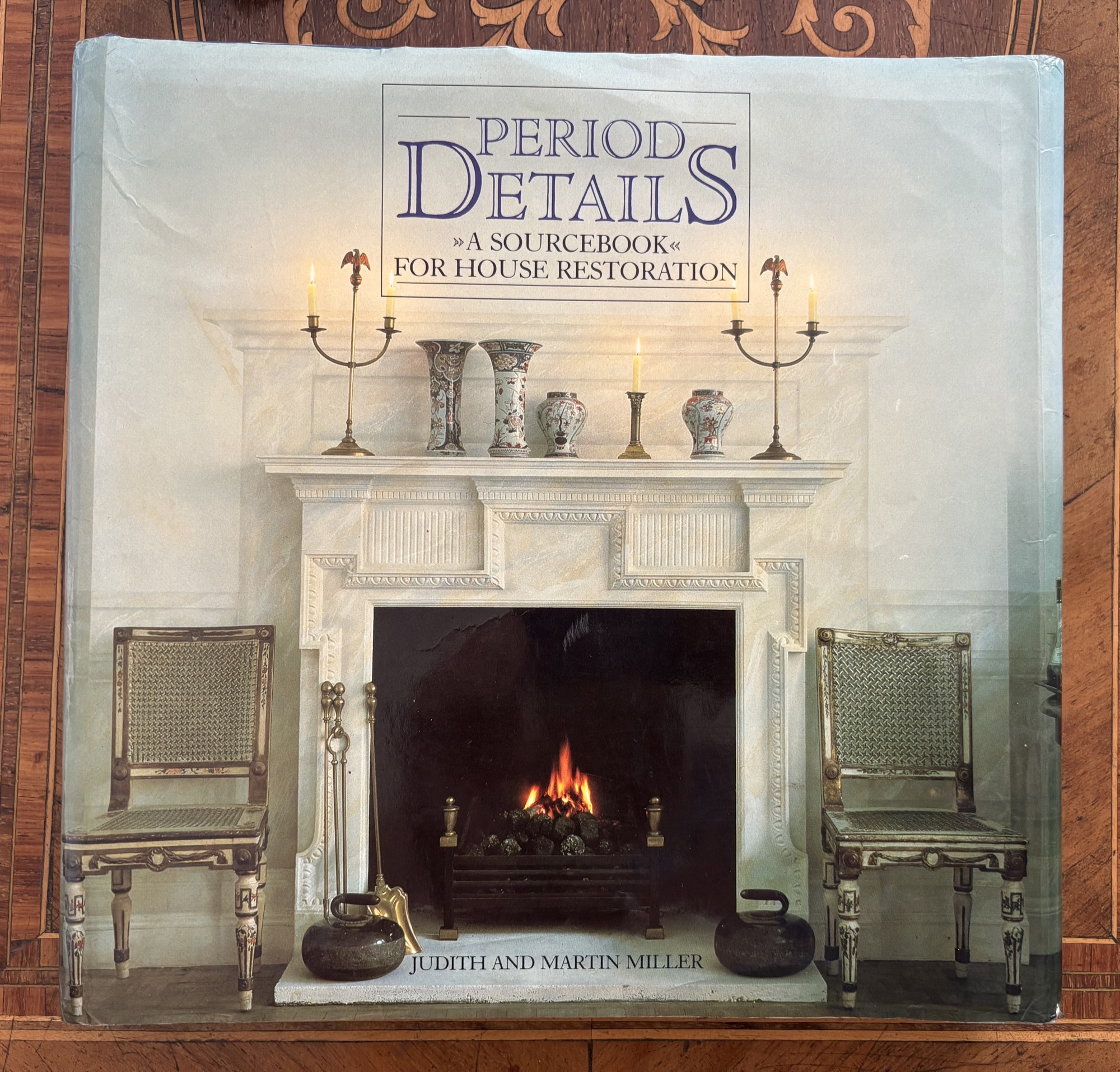
Period Details by Judith and Martin Miller: A Review
A twenty-year-old copy of the Millers' Period Details recently came into our possession, and it has aged remarkably well.
Places · 5 min read
Three Towns We Keep Returning To
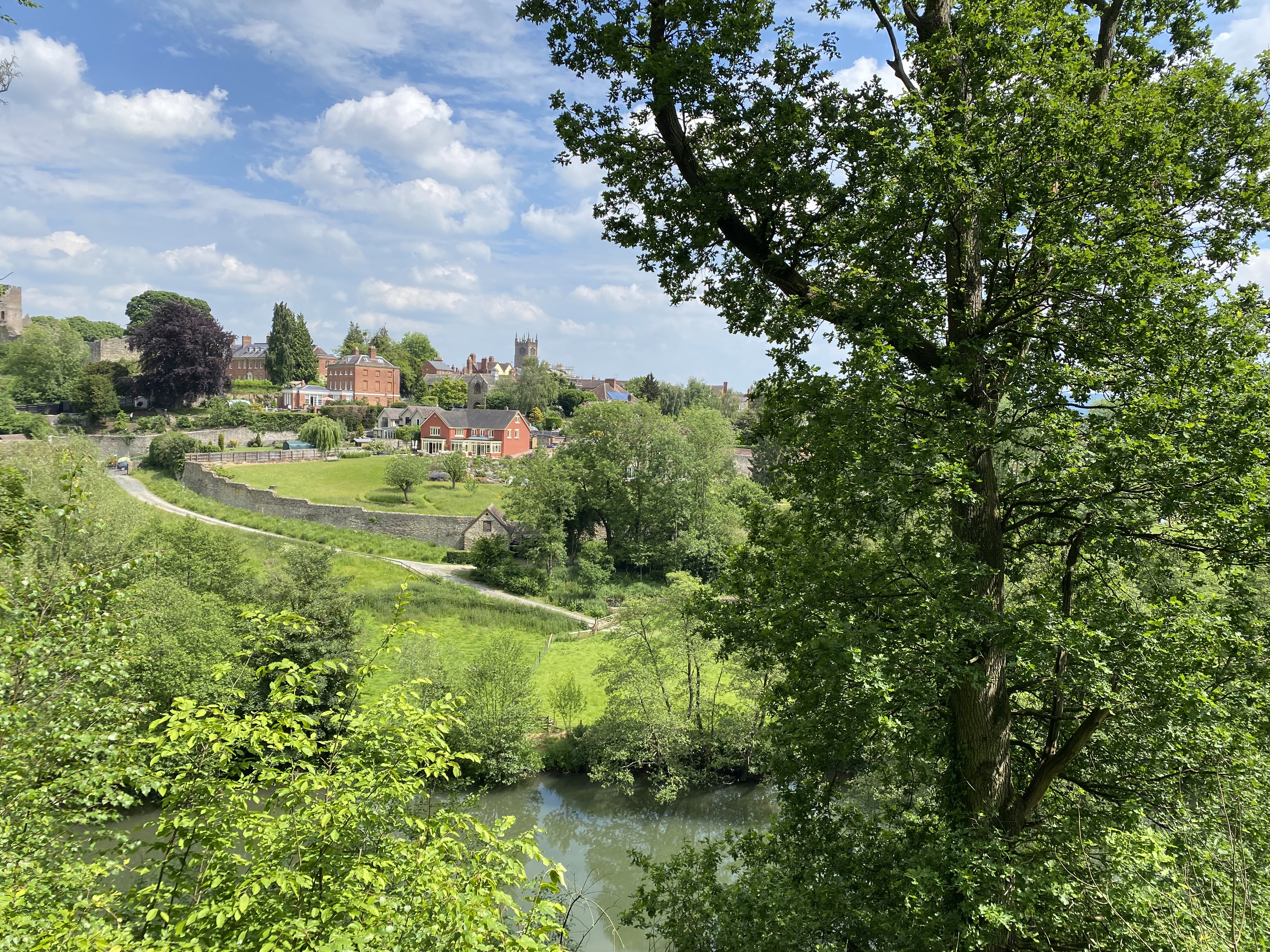
From the Northumberland hills to the Isle of Wight coast, three corners of England where the period house is at its most beguiling.
Reflections · 5 min read
The Compromises
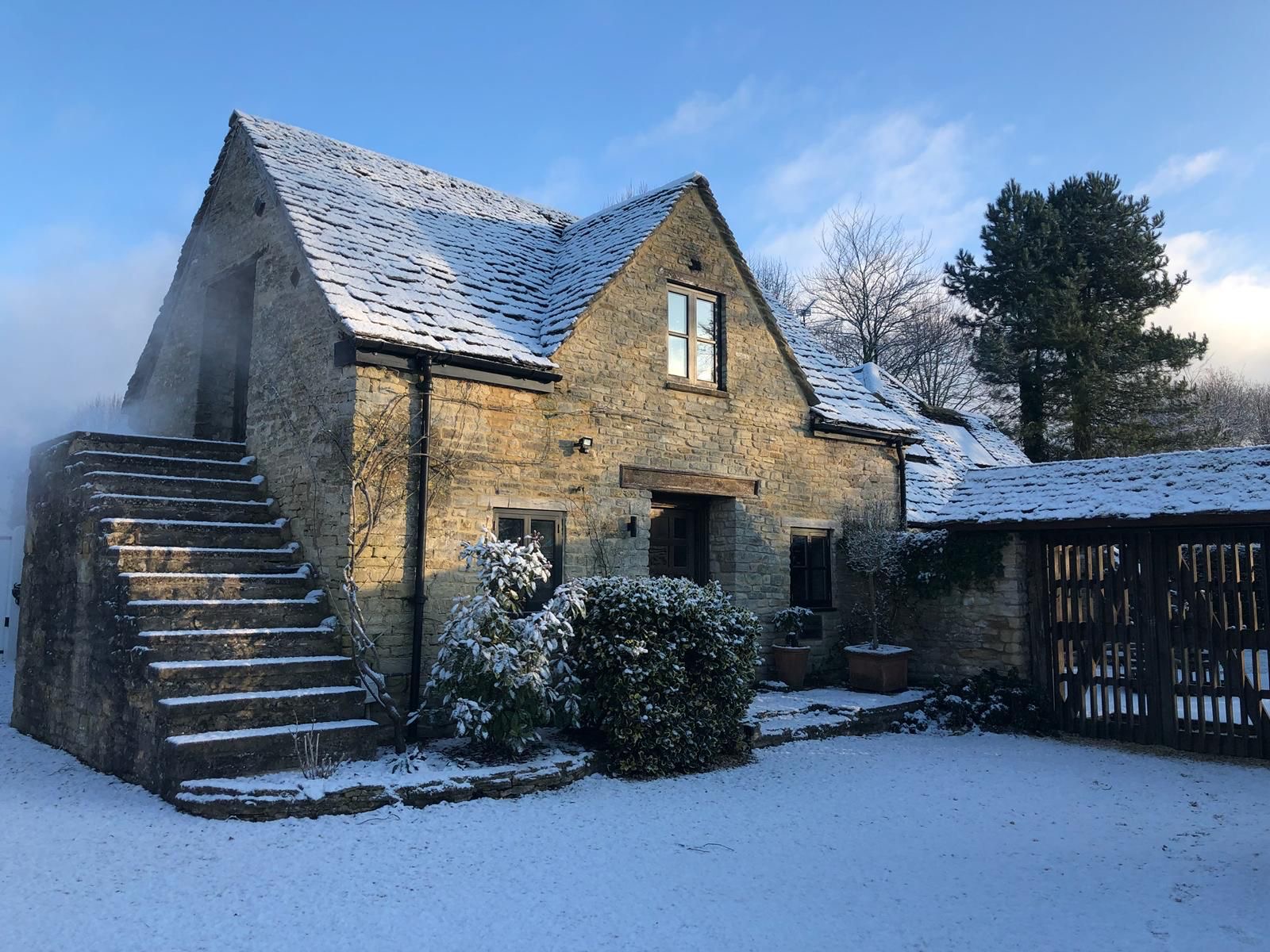
Five disadvantages to living in a cottage.